Fuel Right 15K
Our standard fuel-system cleaning and freeze-protection formula.
Our Fuel Right 15K treatment combines fuel-system cleaning, corrosion protection, lubricity and fuel-line freeze protection in the standard Fuel Right formula. We recommend a bulk treatment ratio of 1:15,000.
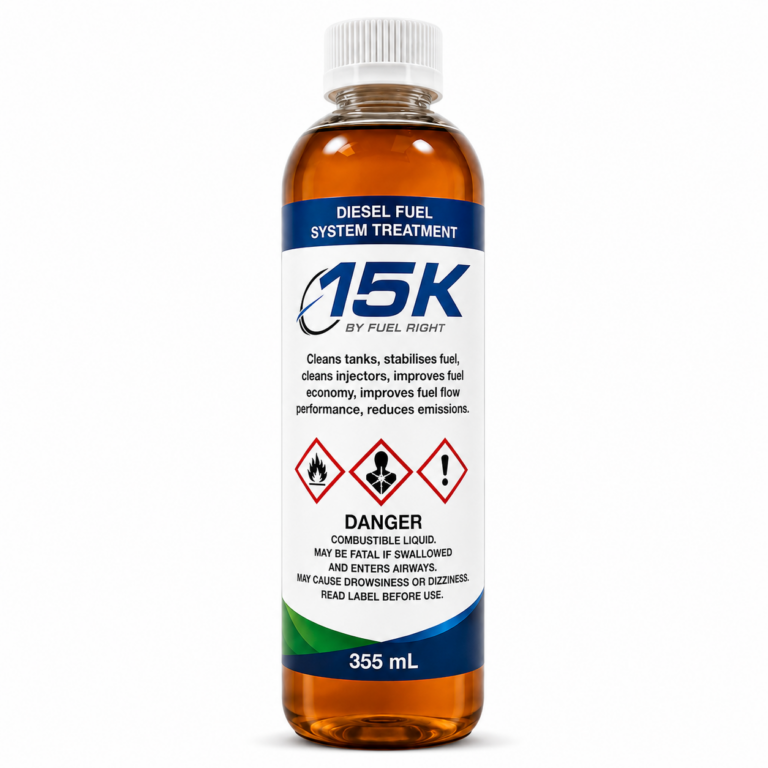
Our treatment selection starts with the fuel
Our Fuel Right 15K treatment combines fuel-system cleaning, corrosion protection, lubricity and fuel-line freeze protection in the standard Fuel Right formula. We recommend a bulk treatment ratio of 1:15,000.
EXISTING CONTAMINATION
Existing fuel contamination can contribute to reduced fuel cleanliness, increased filter loading and fuel system issues that affect operational performance.
SLUDGE AND DEPOSITS
Sludge accumulation and fuel system deposits can restrict fuel flow, increase filter pressure and contribute to contamination-related maintenance activity.
RELIABILITY AND PERFORMANCE
Fuel quality issues can affect fuel system performance and contribute to increased maintenance pressure and avoidable operational disruption.
A practical treatment programme
Assess
Record fuel condition, tank access and recent filter problems.
Select
Choose the formulation using current product guidance.
Dose
Follow the label for the fuel volume and treatment purpose.
Monitor
Check water, filters and fuel condition during the programme.
Review
Compare observations with your starting condition.
Product guidance at a glance
Our product features are supported by Fuel Right technical documentation. We recommend using the formulation information alongside fuel assessment and the supplied instructions. Read our Fuel Right product guidance.
Fuel-system cleaning
Our treatment is designed to clean tanks, fuel lines, filters, strainers and injectors.
Particulate breakdown
Addresses particulate contamination as part of the cleaning process.
Corrosion protection
Our treatment forms a microscopic coating to help protect tank and fuel-system surfaces.
Lubricity and stability
Our formulation includes fuel-lubricity and stability support within the standard formula.
Fuel-line freeze protection
Our standard formulation includes fuel-line freeze protection; confirm suitability for the operating conditions.
Bulk treatment
We recommend a bulk treatment ratio of 1:15,000; shock treatment is a separate programme.
How Fuel Right 15K works
Our Fuel Right 15K treatment is designed to address sludge and particulate contamination through the tank, filters, strainers and injectors. Our cleaning chemistry releases insoluble material so it can settle at the tank bottom, while forming a microscopic corrosion-protection coating on tank surfaces.
Our 15K formulation supports lubricity, fuel stability and fuel-line freeze protection. It is designed to meet or exceed the ISO 4406 18/16/13 fuel-cleanliness target. We recommend sampling and testing to verify the cleanliness actually achieved in your system.
Plan for released contamination
Our cleaning treatments release material that can increase tank-bottom sediment or temporarily load filters. We recommend inspecting filters during the programme and planning replacements where needed. We recommend tank-bottom removal and fuel polishing where excess water or sediment remains.
We recommend recording the starting fuel sample, tank condition and filter history, then comparing the same observations during follow-up checks.
Where it fits in practice
Bulk diesel storage
We recommend a documented programme that records fuel volumes, treatment additions and filter history. Our aim is to give maintenance teams a consistent basis for treating fuel and reviewing system condition.
Mining and transport operations
We recommend planning treatment around storage periods and refuelling. We advise checking water, deposits and filter condition before equipment returns to demanding service. Yachts and marina-based boats with stored diesel may require particular attention to tank-bottom water, sediment, filter history and fuel age. Our marine fuel treatment guide explains how to plan vessel fuel care alongside inspection, filtration and suitable product dosing.
Marine and agricultural systems
We recommend coordinating treatment with tank access, water checks, separator and filter monitoring. We advise confirming the fuel grade and any fuel-specific rate before application.
Treatment rates and worked examples
Our bulk treatment ratio is 1:15,000. We recommend consistently treating the fuel entering the programme. We calculate the product dose by dividing fuel volume by 15,000, using the same volume unit for fuel and treatment.
| Fuel volume | Product required |
|---|---|
| 5,000 L | 333.3 mL |
| 10,000 L | 666.7 mL |
| 20,000 L | 1,333.3 mL |
Our examples use the standard bulk ratio. We recommend confirming the supplied label and fuel-specific instructions before application.
Shock treatment is a separate programme
We recommend a shock-treatment ratio of 1:6,000 to accelerate cleaning where an ongoing sludge problem is being addressed. For small to medium tanks, we base the programme on tank capacity rather than only the fuel remaining. We recommend confirming tank capacity and treatment purpose before calculating the dose.
We recommend adding treatment during refuelling where practical to support mixing. We advise continued tank and filter monitoring while existing contamination is being released.
Safety, handling and technical documents
We recommend keeping the sealed product in a cool, dry, ventilated location away from sunlight, moisture, heat and ignition sources. We provide safety data sheets and technical information to support handling and application; we advise following the supplied label and SDS.
Fuel Right 15K technical information — July 2021 · Safety data sheets · Fuel sampling and testing guidance
Industrial Applications
Explore fuel-care guidance for your operating environment, from daily fleet use to long-term storage.

Sludge Build-Up
Fuel sludge accumulation can restrict filters, reduce fuel flow and contribute to increasing maintenance activity.

Blocked Filters
Fuel sludge accumulation can restrict filters, reduce fuel flow and contribute to increasing maintenance activity.
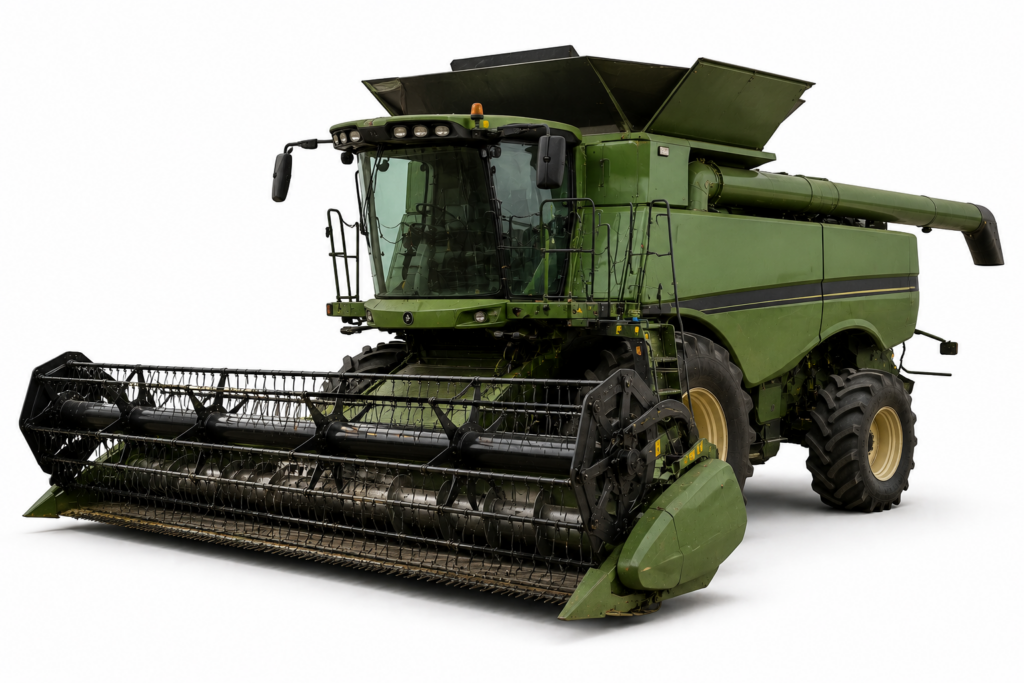
Fuel System Deposits
Fuel system deposits can affect fuel performance, increase operational pressure and contribute to additional maintenance requirements.

Generator Fuel Issues
Stored fuel within backup systems can gradually develop fuel quality conditions that reduce reliability and system performance.
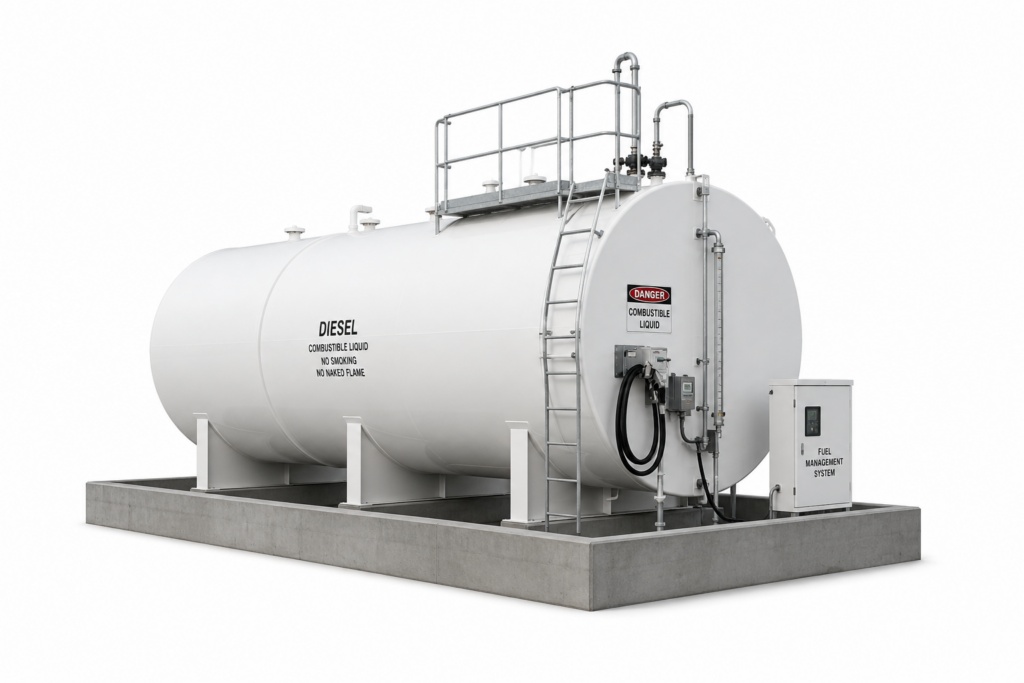
Bulk Storage Problems
Fuel tanks and transfer systems may develop contamination-related conditions over extended operating periods.
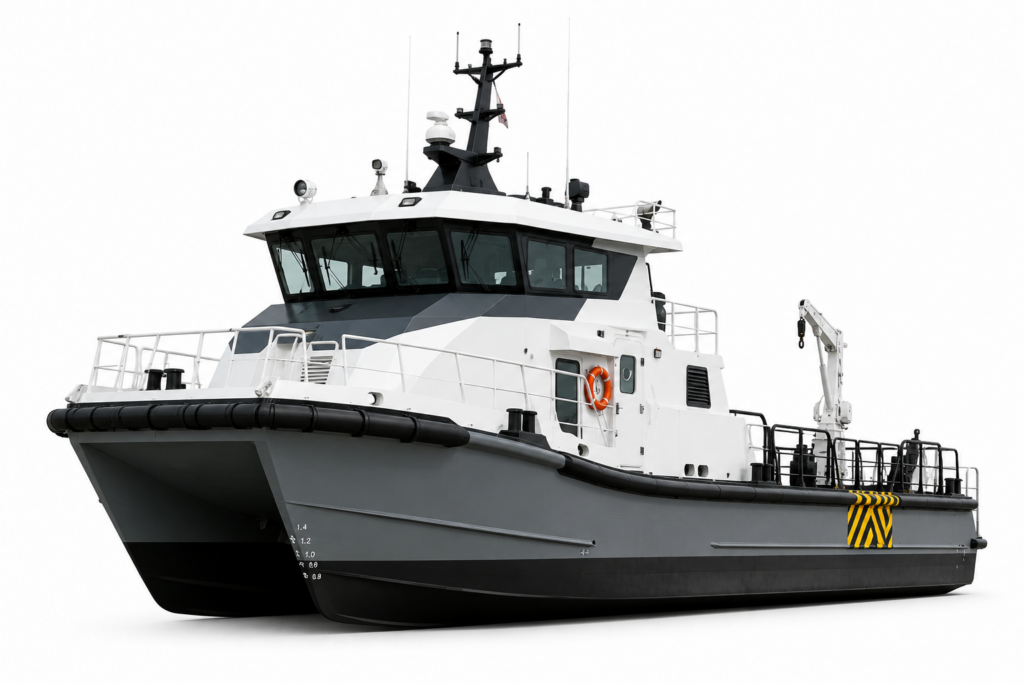
Marine Fuel Challenges
Water exposure and harsh operating environments can create additional fuel quality risks.
Supply Options
355ml
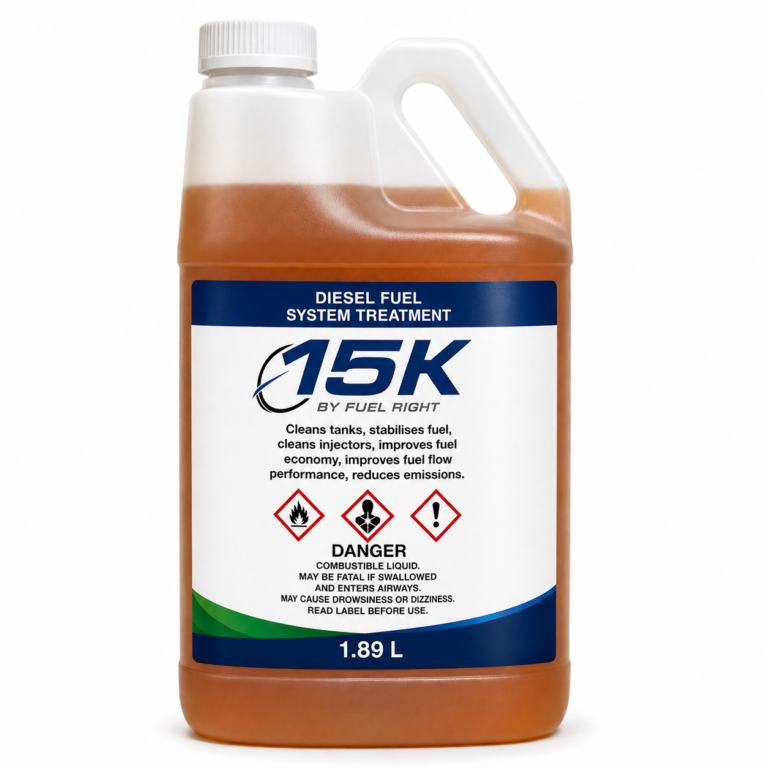
1.89L
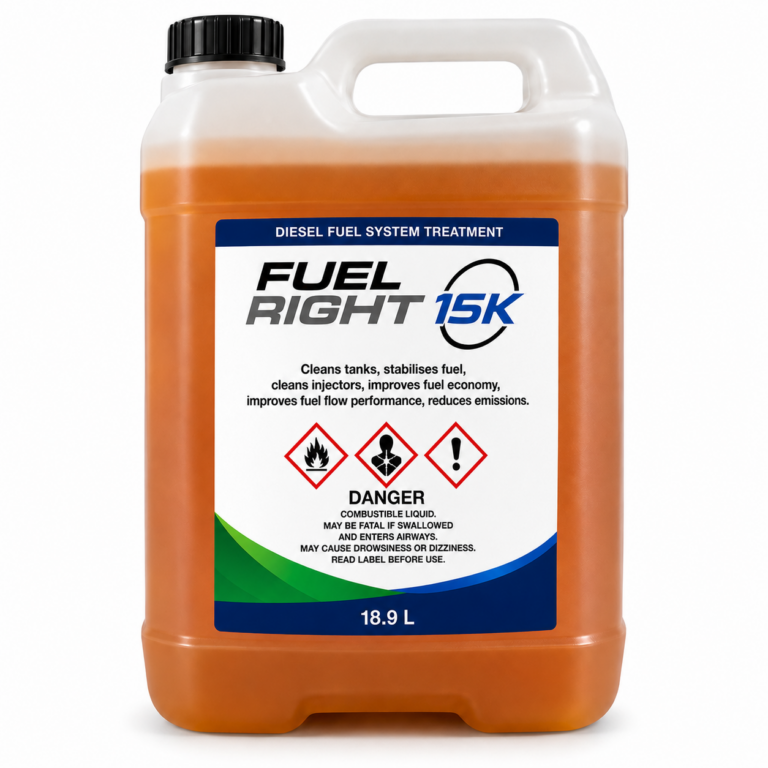
18.9L
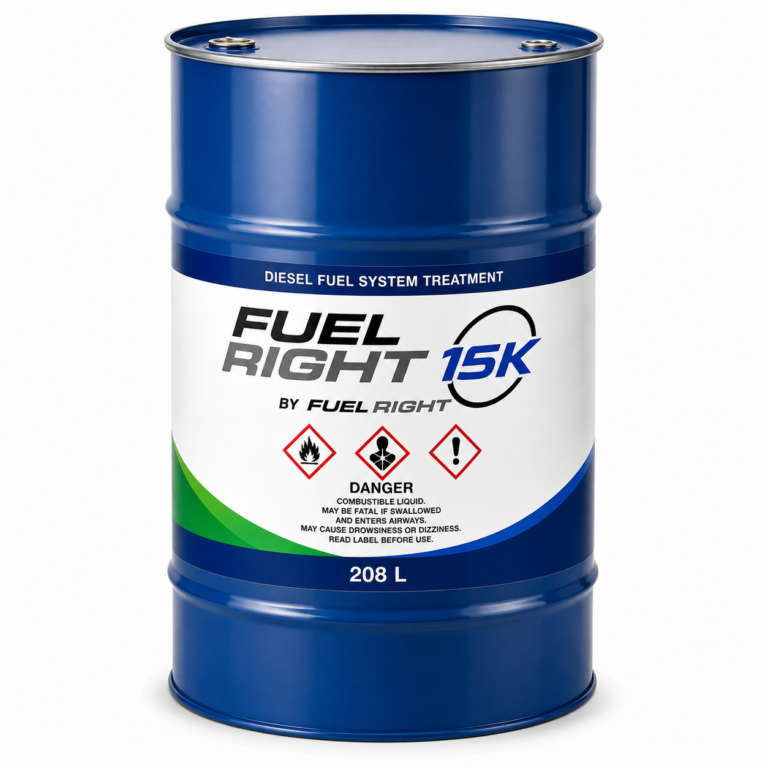
208 L
Frequently Asked Questions
Our Fuel Right 15K treatment combines fuel-system cleaning, corrosion protection, lubricity and fuel-line freeze protection in the standard Fuel Right formula. We recommend a bulk treatment ratio of 1:15,000.
We recommend selecting by formulation, fuel condition and application. Our ProActive bulk ratio is 1:10,000; our 15K bulk ratio is 1:15,000; our 30K standard bulk ratio is 1:30,000. Our 30K concentrate excludes anti-freeze solvent. We advise matching the programme to the fuel system rather than selecting by concentration alone.
We recommend the supplied label’s rate for your fuel volume and treatment purpose. Our bulk and shock programmes use different ratios, so we advise confirming the programme before treating an established fuel problem.
We recommend reviewing water, deposits, tank access and filter condition alongside treatment. We provide fuel sampling and testing guidance to help investigate uncertain conditions.
We provide safety data sheets and technical guidance. We recommend reading the supplied label and discussing your fuel system with us before application.
Tell us the fuel type, tank volume, observed condition and recent filter history. We can discuss product selection and the guidance relevant to your application.