


Privacy
Download the App
Contact Us
-
Fuel Right Australia
info@fuelright.com.au
Fuel quality issues can develop gradually across fuel storage tanks, transport fleets, backup generators, marine vessels, agricultural equipment and industrial fuel systems. Water contamination, sludge accumulation, fuel degradation and fuel system deposits can contribute to increased maintenance activity, reduced reliability and avoidable operational disruption.
The Fuel Right product range is designed to support fuel quality management across a wide range of commercial and industrial applications. Whether you are managing existing fuel contamination, supporting long-term fuel storage quality or maintaining everyday fuel system cleanliness, Fuel Right provides solutions aligned to different operational requirements.
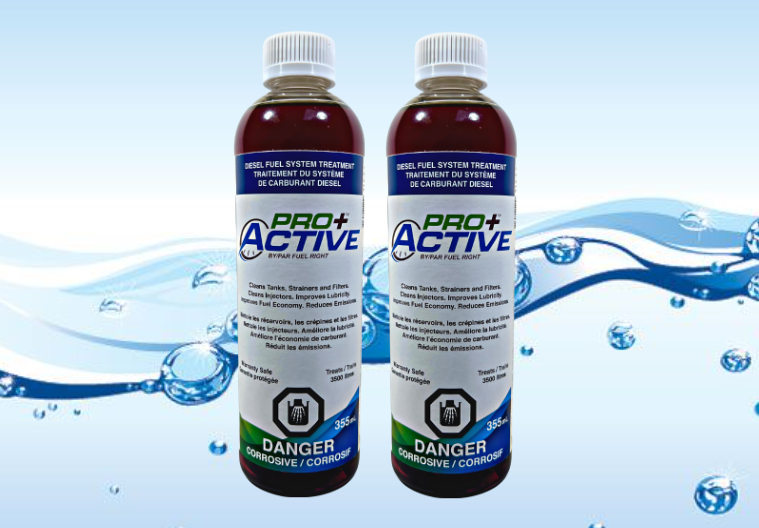
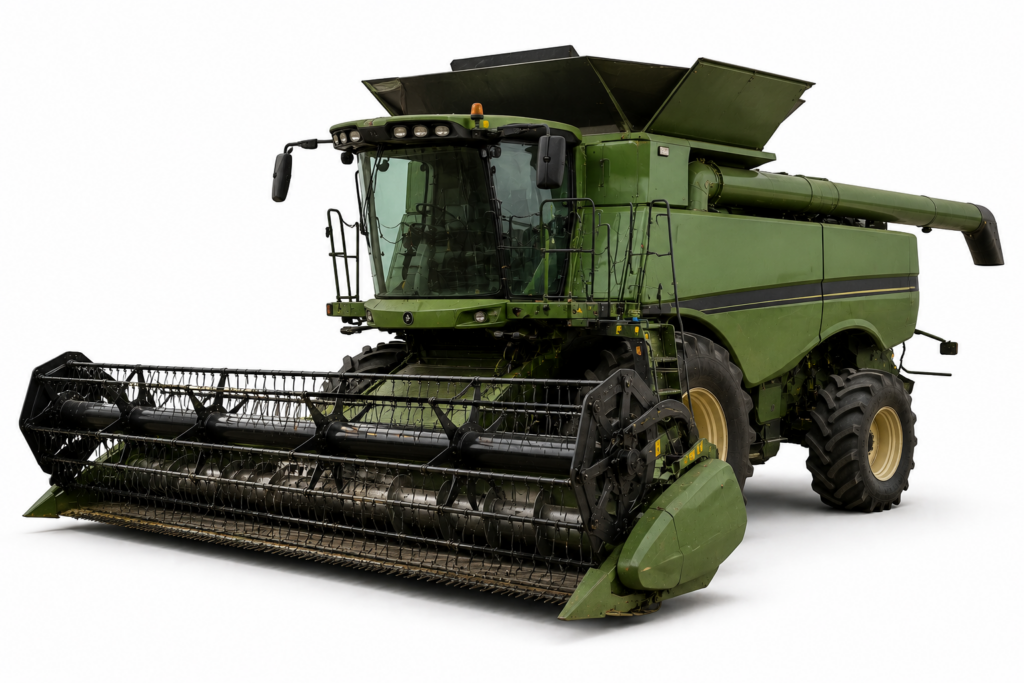
Everyday Fuel Quality Support For Ongoing Operations Fuel Right ProActive is designed for organisations seeking ongoing fuel quality support as part of routine fuel management practices. It helps support cleaner fuel systems and fuel quality maintenance across operational fleets, equipment and fuel storage environments. Ideal For: • Fleet operators • Commercial transport • Agricultural equipment • Construction equipment • Day-to-day fuel management programs
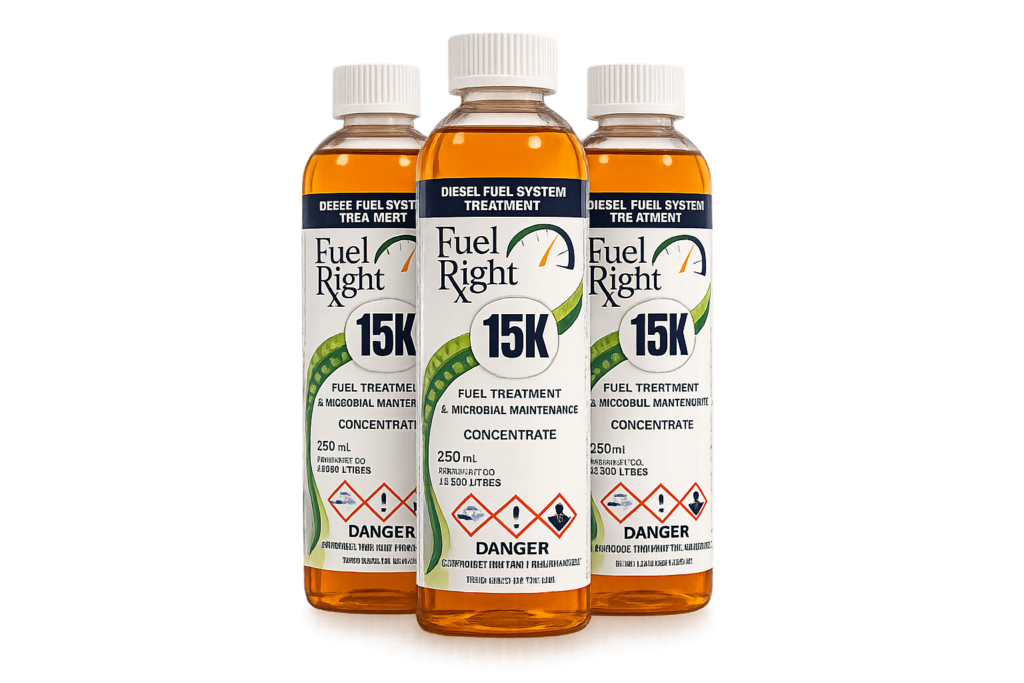
Targeted Fuel System Treatment For Existing Fuel Quality Issues Fuel Right 15K is designed for environments where fuel contamination, sludge accumulation, deposits or fuel cleanliness concerns may already be affecting system performance. It is positioned as a targeted treatment solution to help address existing fuel quality challenges before they develop into larger maintenance or reliability issues. Ideal For: • Existing contamination concerns • Sludge and deposit build-up • Fuel system cleanliness improvement • Corrective fuel quality programs
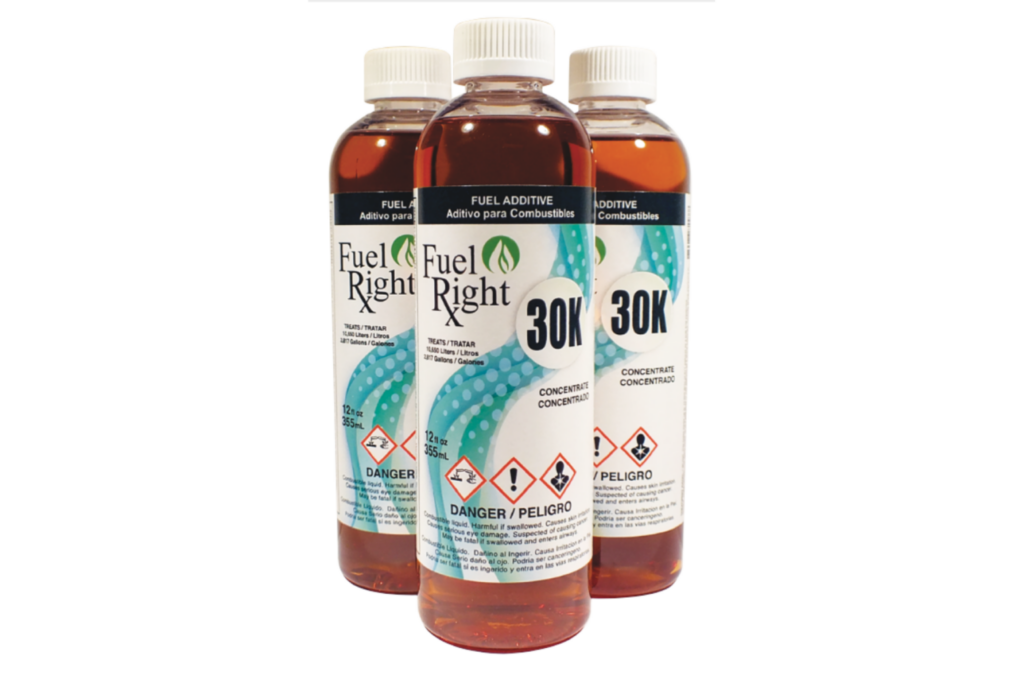
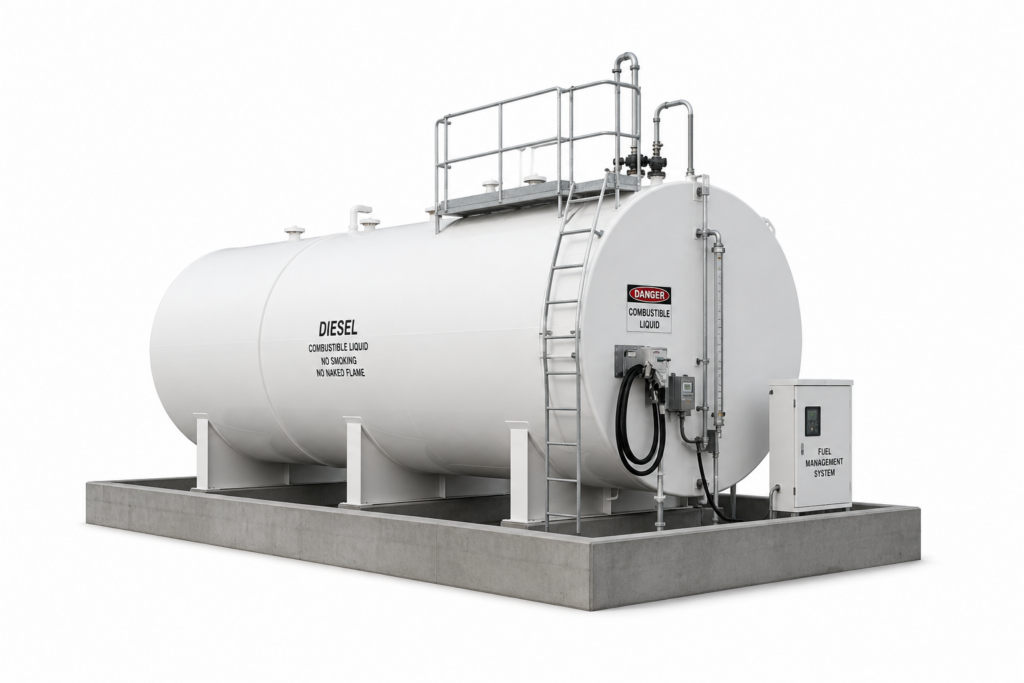
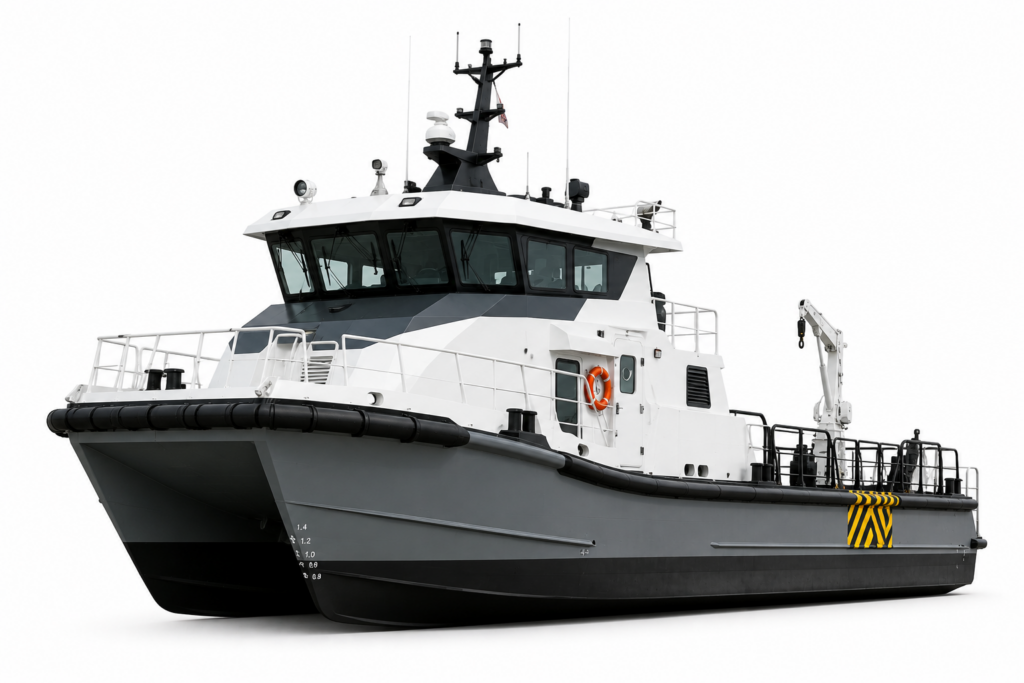
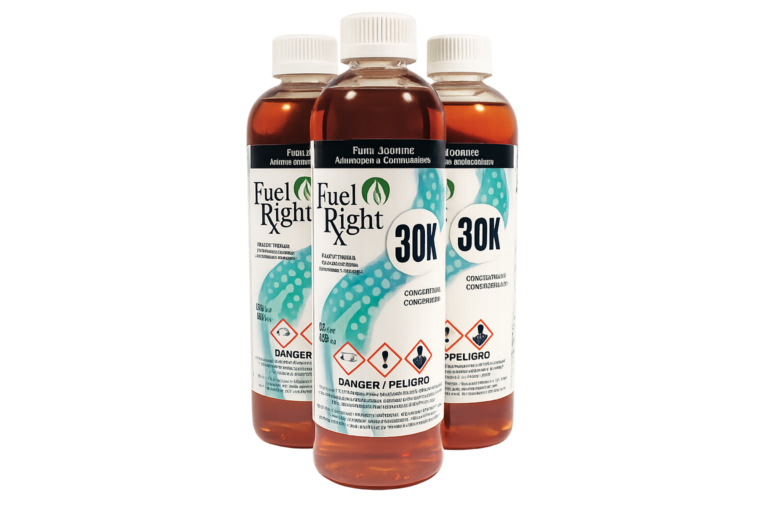
Fuel Quality Management For Long-Term Stored Fuel Environments Fuel Right 30K is designed for operators seeking a broader fuel quality management strategy across stored fuel systems. It supports fuel quality programs in backup power, marine, mining, transport, industrial and bulk fuel storage environments where fuel may remain in storage for extended periods. Ideal For: • Long-term fuel storage programs • Backup generators and critical infrastructure • Marine fuel systems • Mining and remote operations • Bulk fuel storage facilities
Fuel quality issues often develop gradually inside storage tanks and fuel systems before becoming visible operational problems. Understanding the most common causes of fuel degradation can help operators reduce maintenance costs, improve reliability and protect critical equipment.
Water is one of the most common causes of fuel quality deterioration. It can enter fuel systems through condensation, damaged seals, tank breathing, fuel deliveries or environmental exposure. Even small amounts of water can create conditions that contribute to fuel instability, corrosion and contamination-related maintenance issues. In long-term fuel storage environments, water accumulation may also increase the risk of microbial growth and fuel degradation. Water contamination can contribute to corrosion within fuel systems, increased contamination risk, reduced fuel quality, fuel filter restrictions and greater maintenance requirements.
Over time, fuel contamination, oxidation by-products and degraded fuel components can accumulate within tanks and fuel systems. These materials may form sludge, sediment or deposits that affect fuel cleanliness and equipment performance. Sludge and deposits can restrict fuel movement, increase filter loading and contribute to contamination-related maintenance activity across storage and transfer systems. Common consequences include blocked or restricted fuel filters, reduced fuel flow, increased maintenance activity, fuel system contamination and operational reliability concerns.
Corrosion can occur when moisture and contaminants interact with fuel storage and distribution infrastructure. Over time, corrosion may affect tanks, pipework, pumps, injectors, transfer systems and associated fuel equipment. Corrosion-related issues often develop gradually and may remain unnoticed until reliability or maintenance concerns emerge. The result can be damage to fuel system components, increased maintenance costs, reduced equipment reliability, contamination from corrosion by-products and shortened asset life.
Fuel contamination, sludge and deposits can place additional pressure on filtration systems. When contaminants accumulate, filters may become restricted, reducing fuel flow and affecting equipment performance. Repeated filter replacement can often be an indication that underlying fuel quality issues are developing within the storage or fuel delivery system. These conditions may contribute to increased filter consumption, reduced fuel flow rates, equipment performance issues, unexpected maintenance activity and increased operational costs.
Microbial contamination can develop where water and fuel coexist within a storage environment. Microorganisms may grow at the fuel-water interface and contribute to contamination-related challenges within tanks and fuel systems. If left unmanaged, microbial contamination can contribute to sludge formation, fuel quality deterioration and increased maintenance requirements. The effects may include sludge accumulation, fuel quality deterioration, fuel system contamination, increased maintenance activity and reliability concerns.
Many fuel quality problems remain hidden until they affect equipment operation. Whether supporting backup power systems, marine vessels, transport fleets, agricultural equipment or industrial operations, poor fuel quality can increase operational risk. Proactive fuel quality management helps operators reduce exposure to contamination-related maintenance events and support long-term equipment reliability. When fuel quality issues are left unresolved, organisations may experience unplanned downtime, reduced operational availability, increased maintenance expenditure, asset reliability concerns and higher total operating costs.
Identify the fuel system risk, symptoms and operating context.
Introduce FuelRight 30K at the correct treatment rate.
Address sludge, deposits and existing fuel system contamination.
Support a protective fuel system environment.
Improve long-term fuel cleanliness and operational reliability.
Commercially focused fuel system benefit for industrial operators seeking improved reliability.
Commercially focused fuel system benefit for industrial operators seeking improved reliability.
Commercially focused fuel system benefit for industrial operators seeking improved reliability.
Commercially focused fuel system benefit for industrial operators seeking improved reliability.
Commercially focused fuel system benefit for industrial operators seeking improved reliability.
Commercially focused fuel system benefit for industrial operators seeking improved reliability.
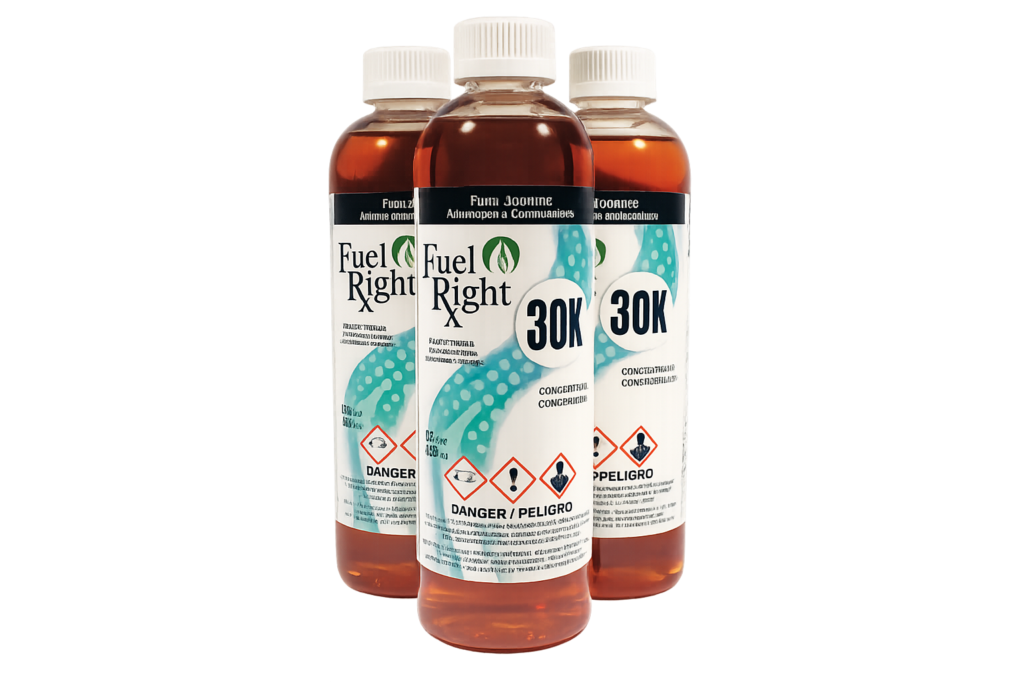
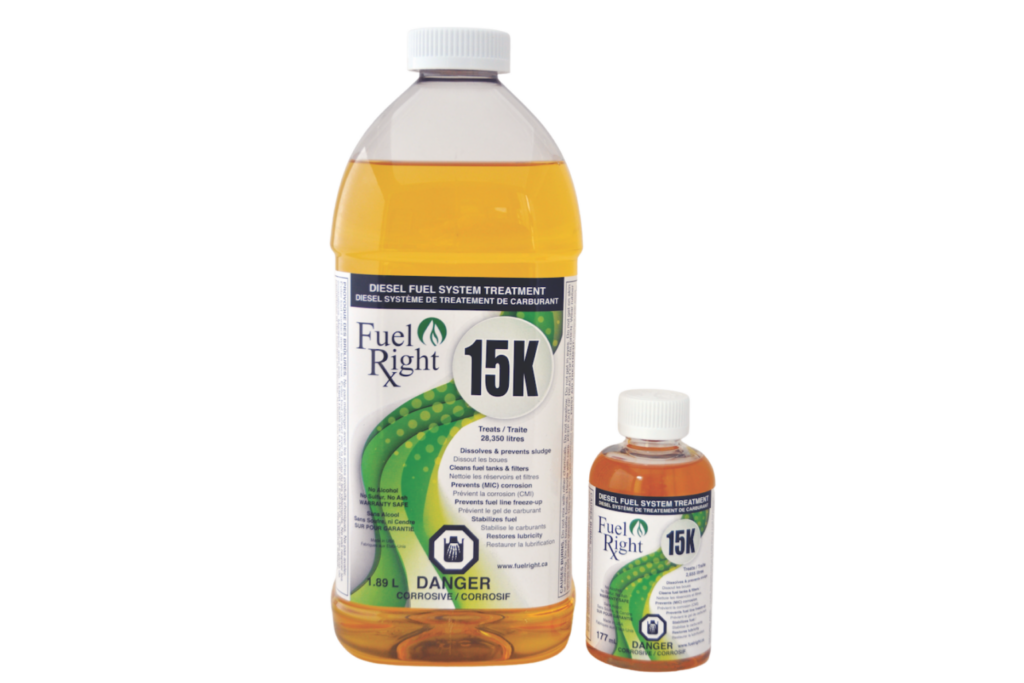
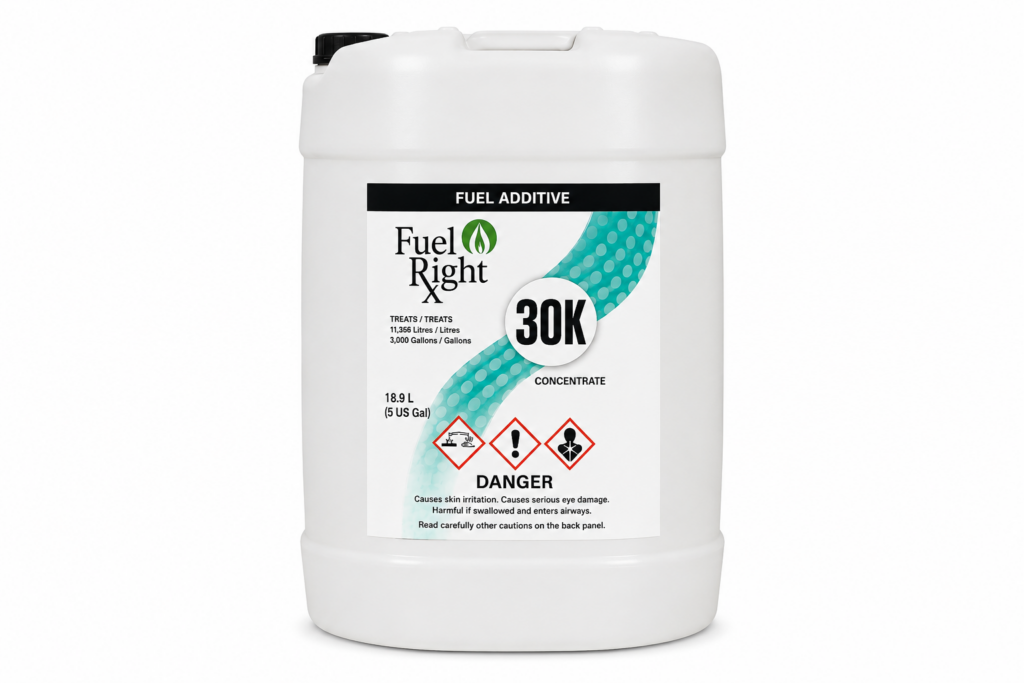
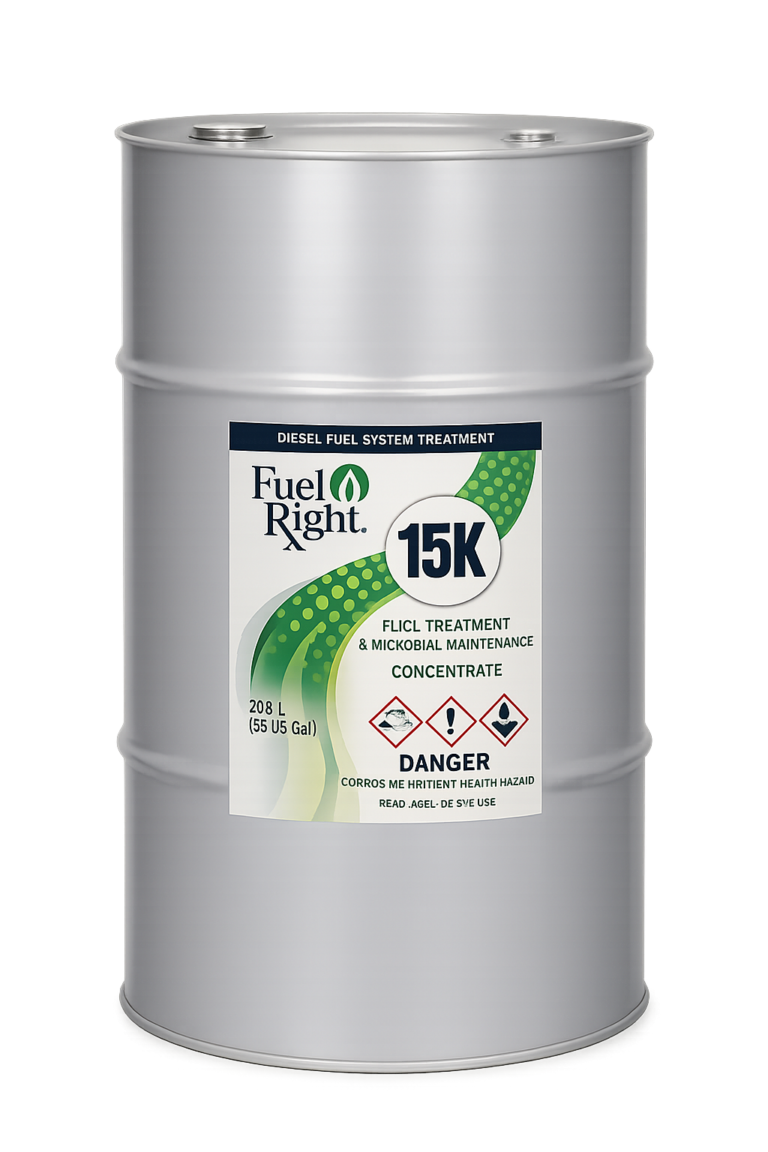
The best diesel additive in Australia depends on the fuel challenge being addressed. Different products are designed for different applications, including fuel stability, injector cleanliness, stored fuel quality, microbial contamination management and fuel system maintenance.
The Fuel Right product range is designed to support fuel quality management across commercial, industrial, marine, transport and backup power applications. Fuel Right 15K, Fuel Right 30K and Fuel Right ProActive are each positioned for different fuel quality objectives, allowing operators to select a treatment aligned to their specific fuel storage and operational requirements.
Fuel Right ProActive is a fuel system treatment designed to support ongoing fuel quality management and fuel system cleanliness. It is commonly used as part of routine fuel maintenance programs across commercial vehicles, agricultural equipment, marine applications and industrial fuel systems.
Fuel Right ProActive is positioned as an everyday fuel quality support product for operators seeking to maintain cleaner fuel systems and support long-term fuel quality management practices.
Fuel additives should always be used according to the manufacturer’s recommended treatment rates. Excessive dosing may not provide additional benefits and can result in unnecessary treatment costs.
Fuel Right products are supplied with recommended treatment rates based on fuel volume and application type. Following the recommended dosing instructions helps ensure the product is applied effectively and consistently across fuel systems and storage environments.
There is no universally recognised number one diesel additive because fuel additives are designed to solve different fuel quality challenges. Some products focus on fuel stability, others target injector cleanliness, microbial contamination, lubricity improvement or long-term fuel storage management.
The most suitable fuel additive is the one that addresses the specific fuel quality issue present within a fuel system. The Fuel Right range provides different treatment options for stored fuel management, contamination-related concerns and ongoing fuel system maintenance.
Contaminated fuel is one of the most common causes of diesel engine reliability problems. Water contamination, sludge accumulation, microbial growth, fuel degradation and fuel system deposits can all contribute to maintenance issues and reduced operational performance.
Effective fuel quality management helps reduce exposure to contamination-related problems before they affect injectors, filters, pumps and other critical fuel system components.
Many operators use diesel fuel additives as part of broader fuel quality management programs. Fuel additives may be used to support fuel stability, fuel cleanliness, stored fuel quality and fuel system maintenance depending on the operating environment.
Applications such as backup generators, marine vessels, mining operations, transport fleets and bulk fuel storage facilities often implement fuel quality management programs to help support long-term fuel reliability.
Diesel fuel can sometimes remain usable after extended storage periods, but fuel quality should always be assessed before use. Storage conditions, water contamination, temperature fluctuations and fuel management practices all influence long-term fuel stability.
Stored fuel may experience degradation, contamination or sludge formation over time. For fuel that has been stored for extended periods, fuel testing and fuel quality assessment are recommended before returning the fuel to service.
Diesel fuel storage life depends on fuel quality, storage conditions, tank condition, water management and environmental factors. Without appropriate fuel quality management, stored diesel can deteriorate over time.
Regular fuel testing, water management and fuel maintenance programs help operators maintain confidence in stored fuel quality and reduce contamination-related risk.
Diesel sludge can form from fuel degradation, contamination, oxidation by-products, microbial activity and long-term storage conditions. Sludge may accumulate within tanks, pipework and fuel systems over time.
If not managed, sludge can contribute to blocked filters, reduced fuel flow and increased maintenance activity across fuel infrastructure.
Fuel degradation can be reduced through proper storage practices, water management, contamination control and ongoing fuel quality management. Monitoring stored fuel and maintaining clean fuel storage systems are important components of long-term fuel reliability.
Many operators implement preventative fuel quality programs to support fuel stability and reduce contamination-related risk across critical assets.
A biocide is typically designed to target microbial contamination within a fuel system. Fuel Right products are positioned around broader fuel quality management objectives that may include fuel cleanliness, stored fuel quality, contamination management and fuel system maintenance.
Operators often assess their specific fuel quality challenges before selecting the most appropriate treatment strategy.
Fuel quality management is ultimately about operational reliability, not chemical specifications. Organisations across transport, marine, mining, backup power and bulk fuel storage environments focus on reducing fuel-related risk before contamination, sludge accumulation, water ingress or fuel degradation impacts critical equipment. Effective fuel quality programs help operators improve fuel system reliability, reduce maintenance intervention, support long-term fuel storage quality and maintain confidence in operational assets where downtime can carry significant financial consequences.
Supporting cleaner fuel systems can help reduce contamination-related maintenance activity, filter replacement frequency and fuel system intervention requirements across operational assets.
Reliable fuel quality management supports equipment availability, operational continuity and confidence in critical fuel-dependent infrastructure and equipment.
Maintaining fuel quality during storage helps support long-term fuel stability, cleaner fuel systems and improved fuel management outcomes across commercial operations.
Reducing exposure to fuel contamination, sludge and degradation can help minimise unplanned maintenance events and operational disruption.
Cleaner fuel environments support fuel system health and help protect tanks, pumps, injectors, generators and associated fuel infrastructure.
A proactive fuel quality strategy helps organisations maintain confidence in stored fuel, operational readiness and fuel-dependent equipment performance.