Fuel Right Australia Knowledge Centre
Fuel treatment for diesel storage tanks: plan the application and the evidence
A storage-tank treatment plan should state what is being treated, why the formulation was selected, how it will be applied and what will be checked afterwards. Start with the tank and fuel condition.
Key Concepts to Understand
Storage Tanks
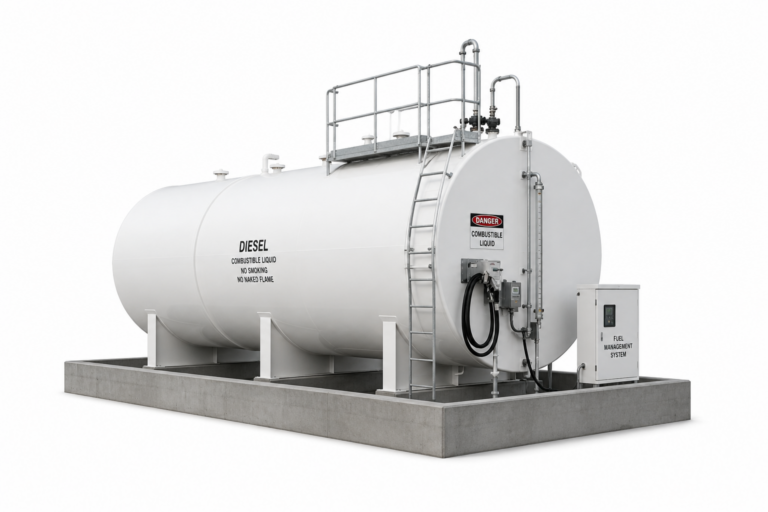
Tank capacity and the fuel volume being treated are different figures. Confirm the actual dosing basis and account for tank access, transfer arrangements and safe handling.
Fuel Treatment
Choose the formulation for the fuel and required function. Use current product instructions to distinguish routine application from a separately planned initial cleaning programme.
Tank Hygiene
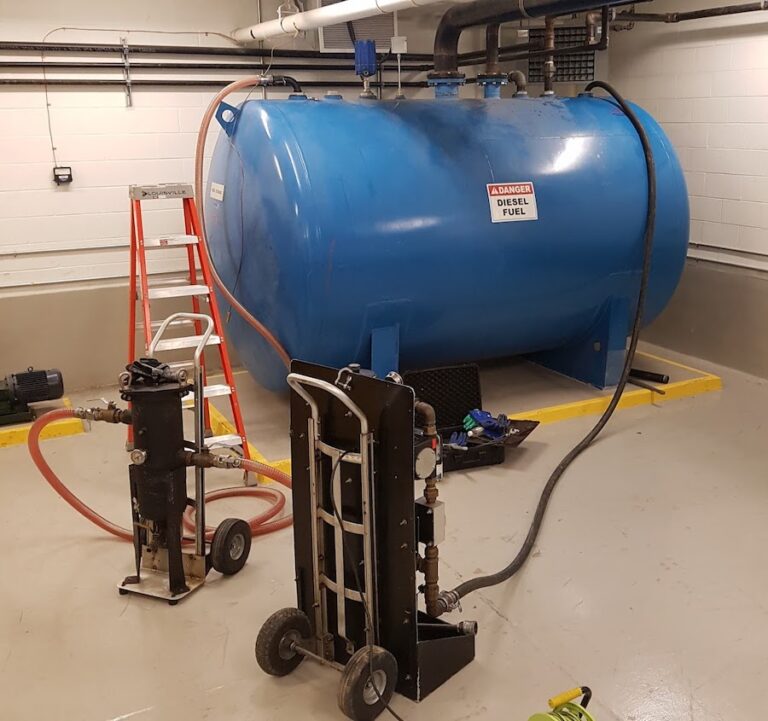
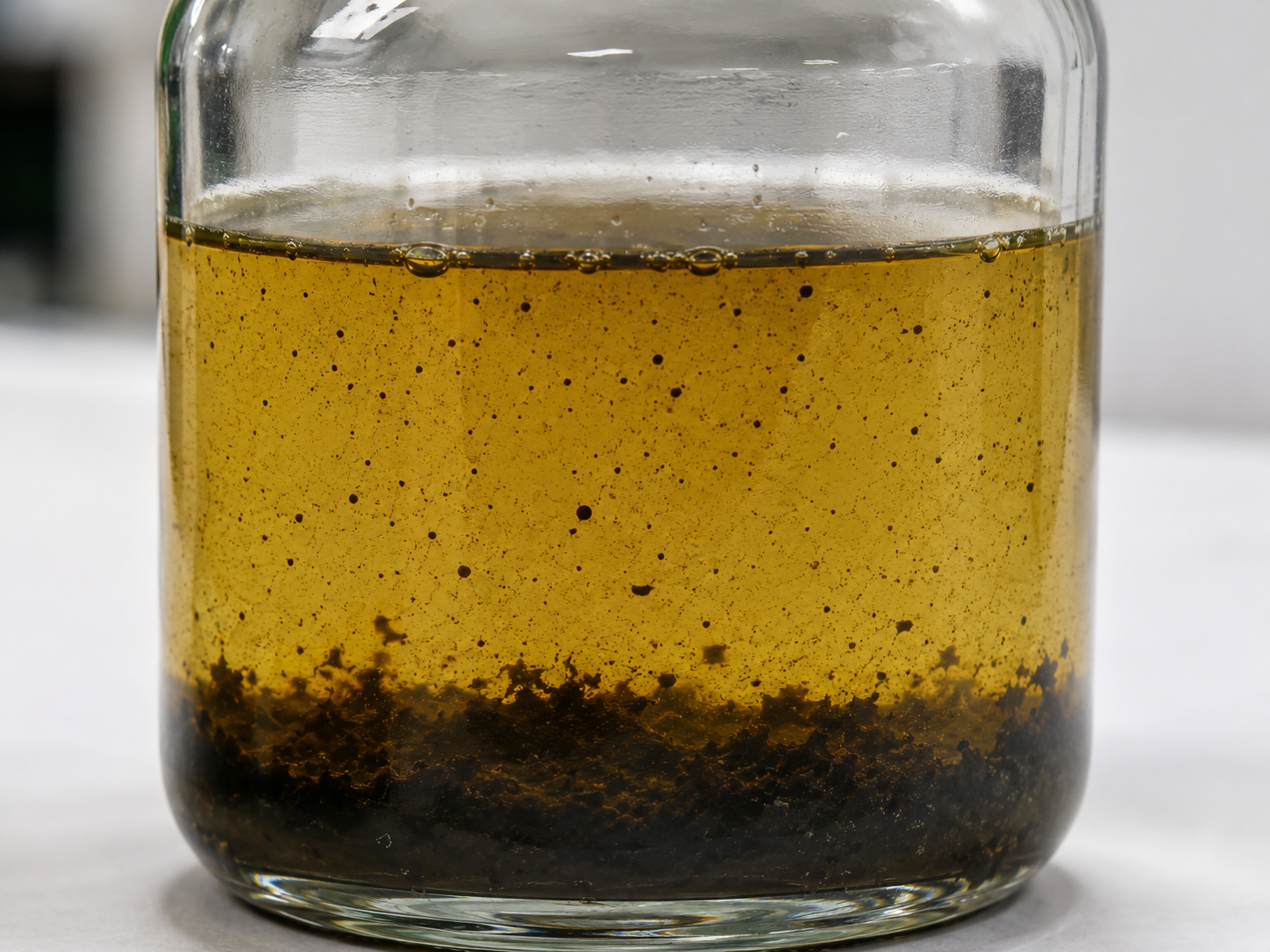
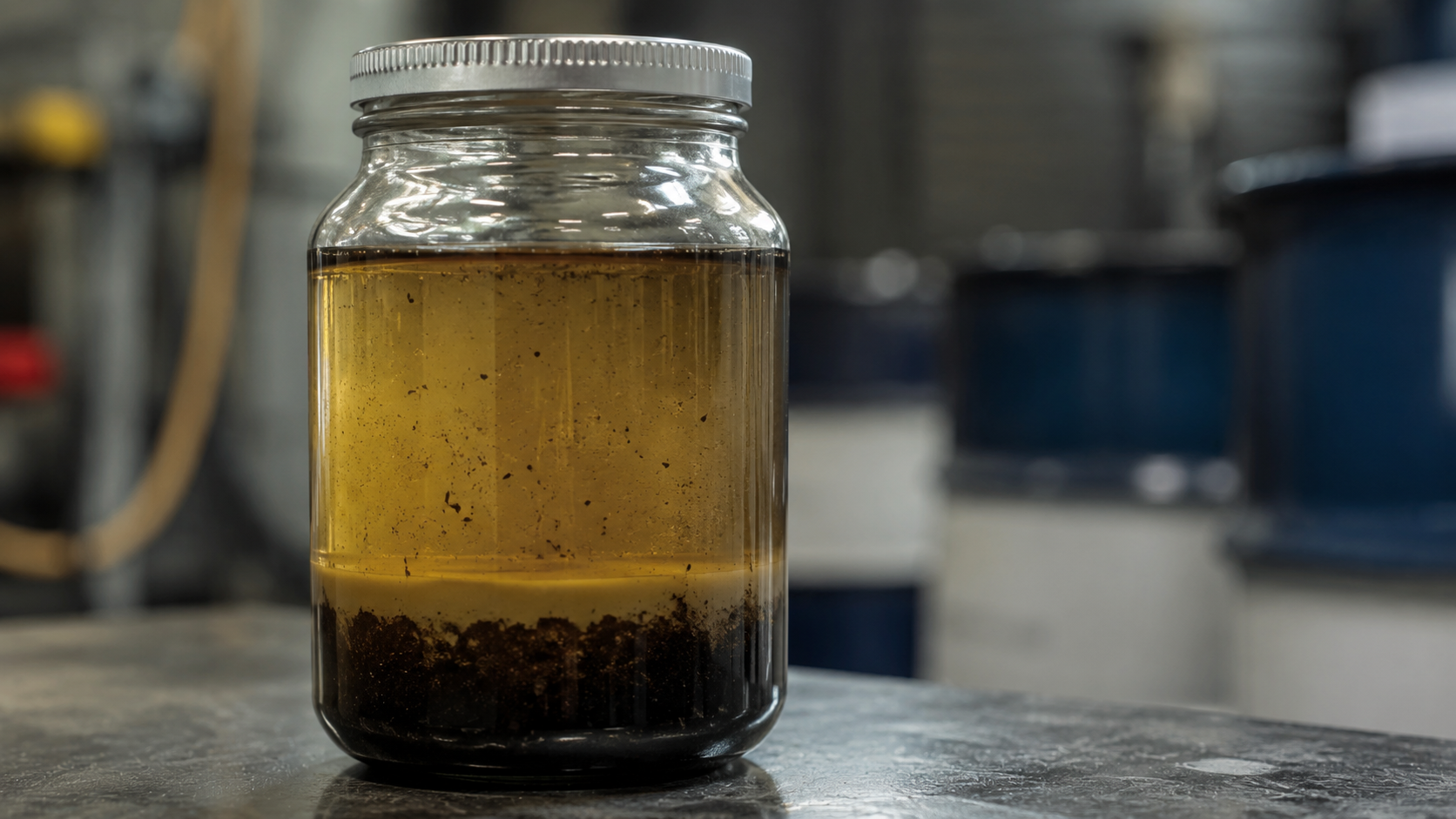
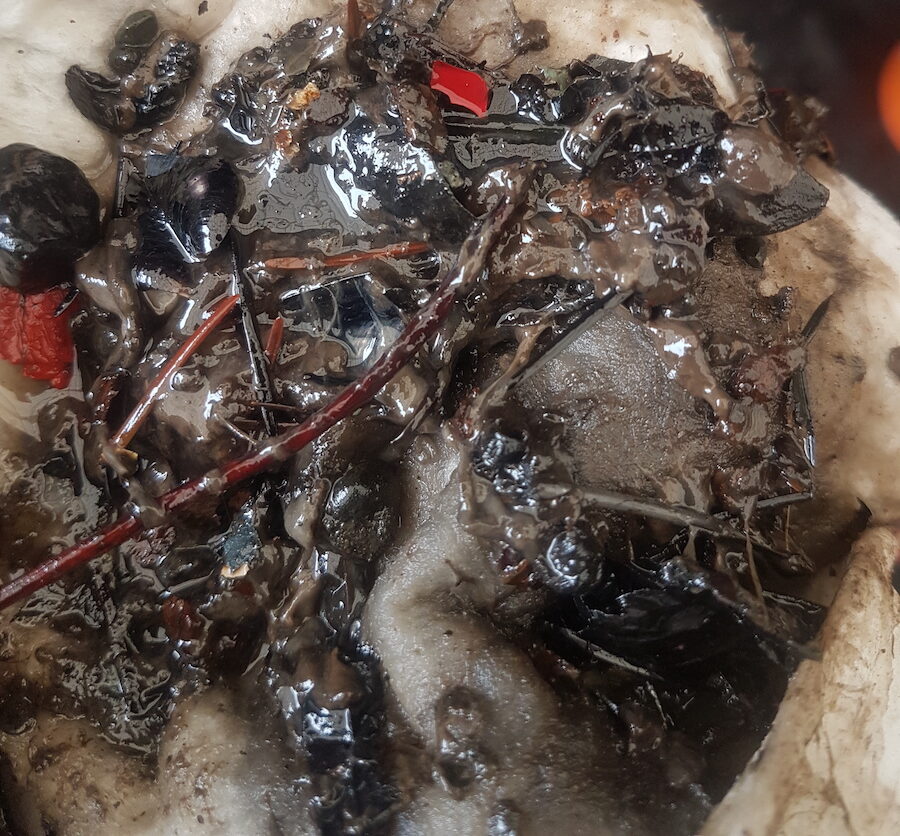
Assess accumulated material and water before treatment. Significant deposits, restricted access or recurring ingress may require physical work and a broader maintenance plan.
Sediment
Existing solids may continue to affect filters or transfer points during corrective work. Arrange monitoring and replacement responsibilities before implementation.
Water
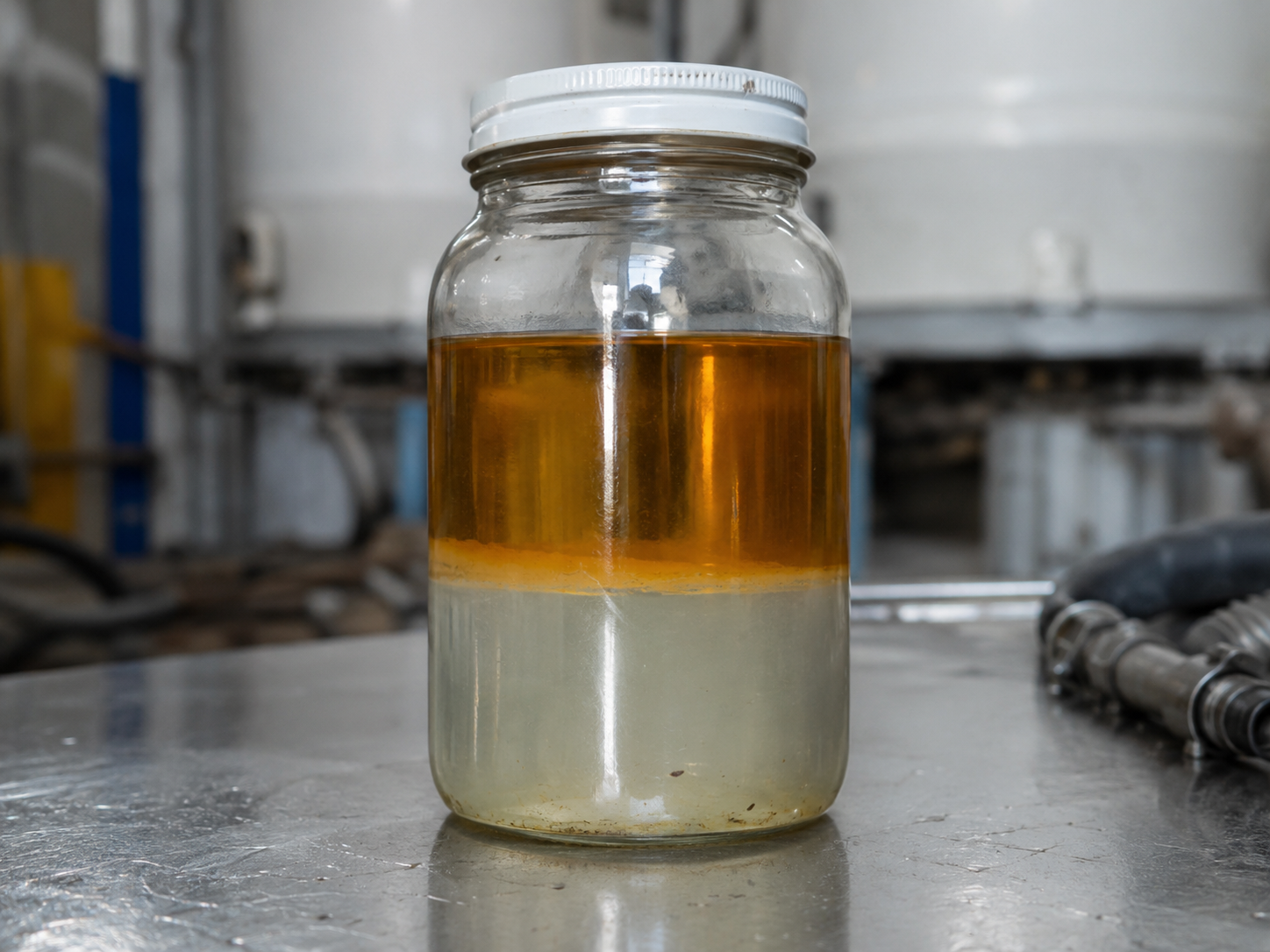
Document the water finding, removal activity and likely entry route. An in-tank absorber or treatment product should be selected for its defined role within that plan.
Reliability
Define the outcome in operational terms and record the evidence after implementation. Treatment records alone do not establish tank condition or certify fuel suitability.
Define the installation and treatment duty
Record the fuel grade, actual fuel volume, tank capacity, turnover, access and known water or deposit findings. The volume being treated is not automatically the tank’s nameplate capacity. Identify whether the task is routine bulk treatment or a separately specified initial programme, and assess any conditions requiring physical removal or further investigation.
Assign the practical responsibilities
Confirm the current product instructions, dose calculation, handling information and application arrangements with the responsible team. Coordinate deliveries, isolation needs or other operational constraints as relevant to the site. Keep the product identity, quantity, fuel volume and application date together. Avoid mixing products or changing a programme without an appropriate compatibility and instructions basis.
Plan monitoring before application
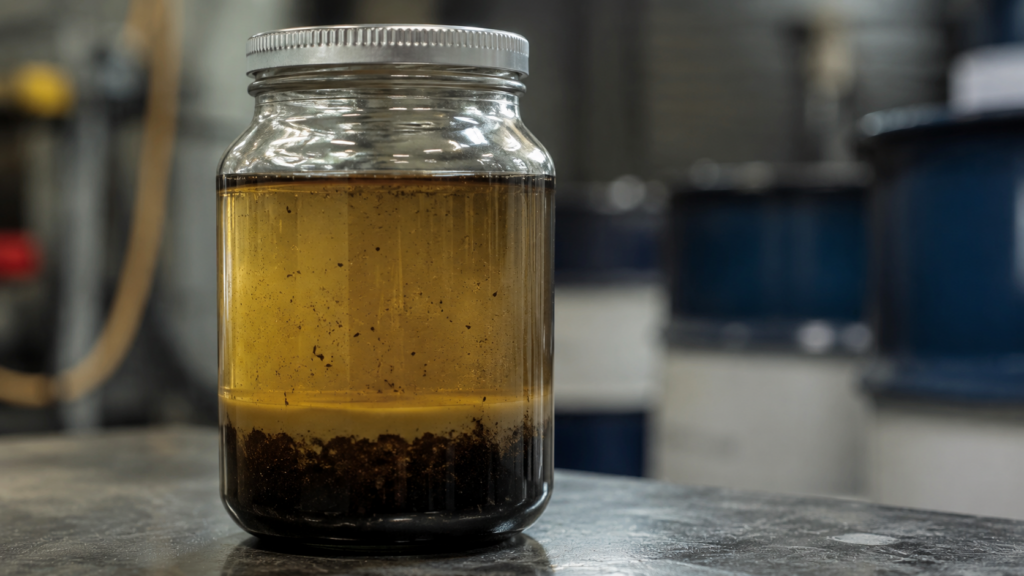
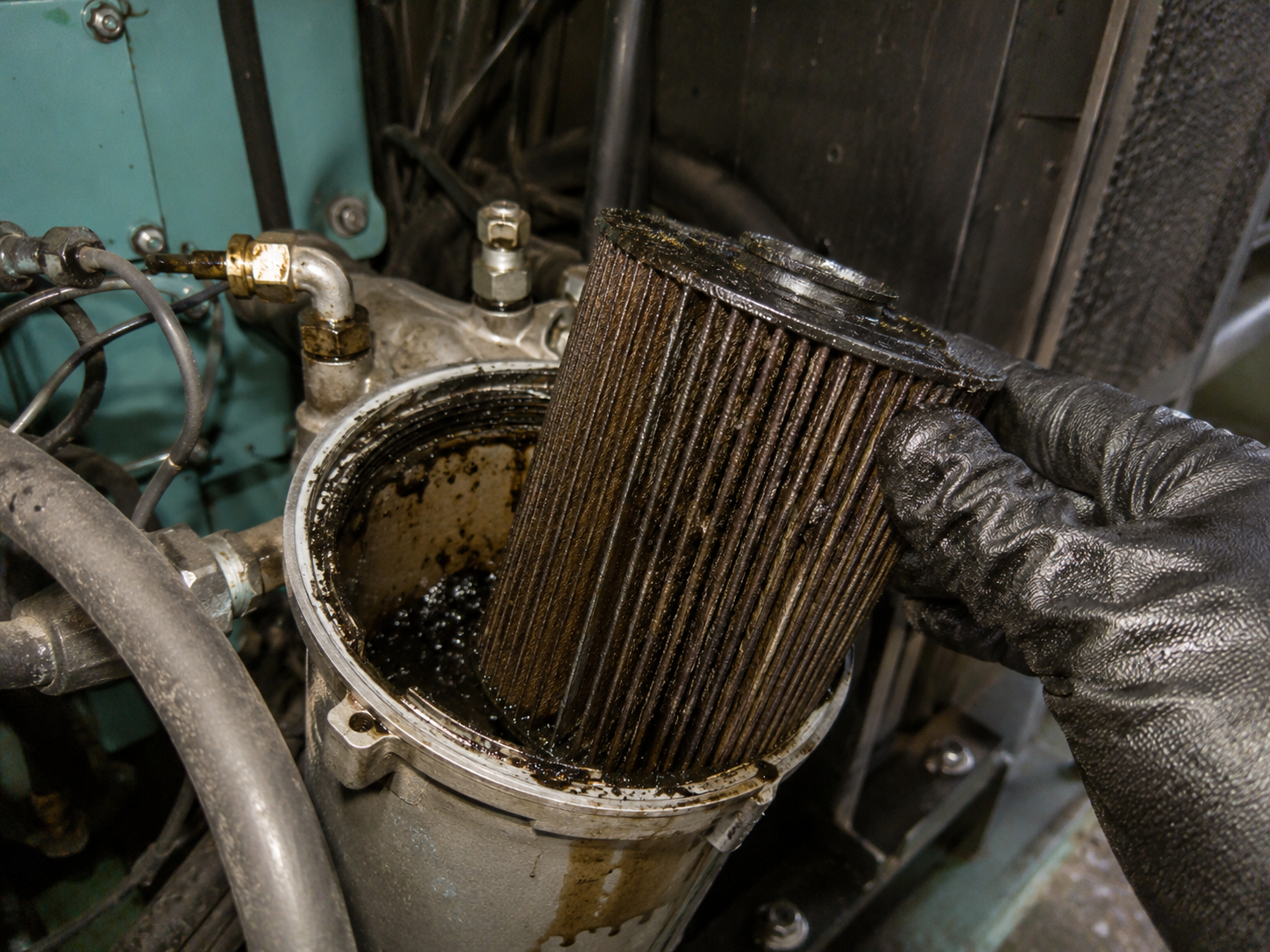
Identify the observations and tests that relate to the objective, the person reviewing them and the escalation triggers. Consider filter activity during an initial cleaning programme where existing material may be mobilised. Record what improved and what remains uncertain. A dosing record alone does not establish that the tank is physically clean or all required fuel properties are suitable.
From the evidence to the next action
| Finding | What to establish | Practical next step |
|---|---|---|
| Tank capacity differs from stored volume | The applicable dosing basis | Use the exact product instructions and actual data |
| Water or heavy deposits present | Physical maintenance needs | Scope separate corrective work |
| Initial treatment planned | Implementation and filter monitoring | Assign responsibilities and follow-up |
| Multi-site roll-out | Consistent records and local differences | Standardise governance, retain tank-specific scope |
Putting the guidance into practice
Dose for the fuel actually in the tank
Before treating a partly filled storage tank, confirm the actual fuel volume and the dosing basis in the product instructions. Record the volume source, calculation and quantity applied. This keeps the treatment decision traceable and avoids using the tank’s nameplate capacity as a substitute for the volume being treated.
Match the product to the identified task
Use the current Fuel Right technical information and SDS for product selection and handling. Discuss FUELSTAT or Aquafighter only where a separate microbial-testing or stationary water-management duty has been identified.
Fuel Right treatment formulations · FUELSTAT microbial testing · Aquafighter water management
Frequently asked questions
No. Confirm the selected product’s dosing basis and distinguish tank capacity from the actual fuel volume.
Not automatically. Initial programmes and routine treatment can have different instructions; confirm the exact application.
Do not assume so. Assess significant free water and the appropriate physical-removal procedure separately.
Use the observations and tests relevant to the objective, including filter and water findings where appropriate.
Related Fuel Right Knowledge Resources
Discuss the finding with Fuel Right Australia
Send the fuel grade, tank and fuel volumes, sample locations, operating history and available results. Include the decision you need to make and any operational constraints.