Fuel Right Australia Knowledge Centre
Diesel fuel sampling and testing: design the sample around the decision
A useful test starts with a clear question and a suitable sample. Define what the result needs to establish, then align the location, method, handling and interpretation with that objective.
Key Concepts to Understand
Bottom Samples
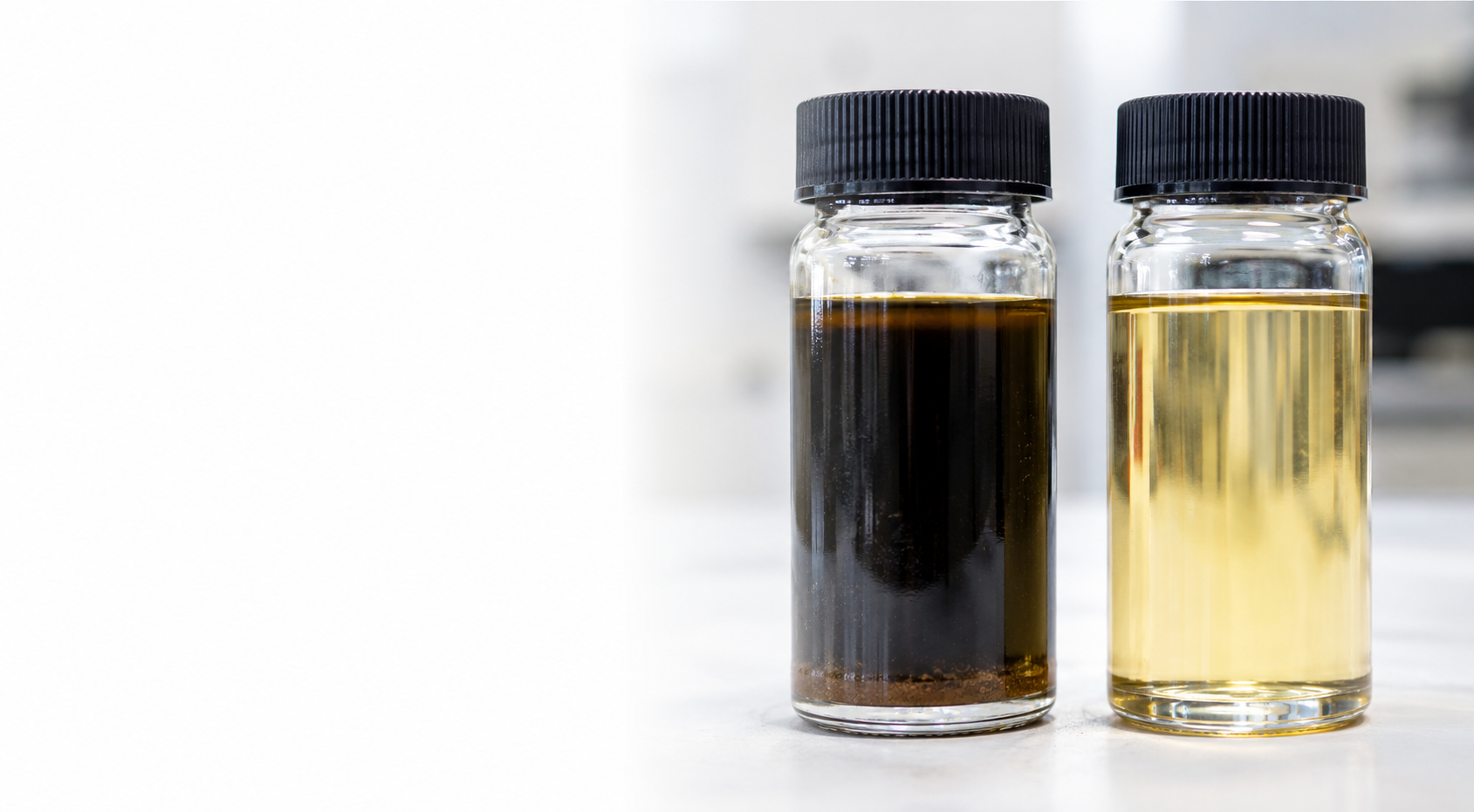
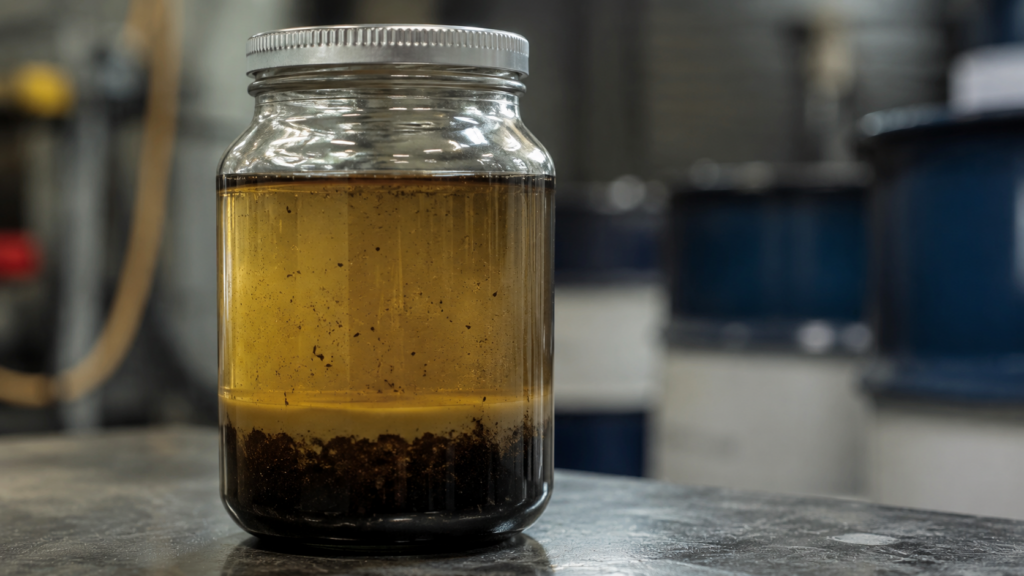
Bottom samples answer questions about accumulated material at the sampled low point. Record fuel and water phases and avoid presenting that sample as representative of every tank region.
Operating Samples
An operating-stream sample describes the fuel at that point and time. Record flow conditions and the position relative to filters, pumps and storage tanks.
Water Checks
A visual water check and a quantitative water method provide different information. Select the method around the suspected form of water and the required decision.
Sediment
Sediment may be unevenly distributed or disturbed during sampling. Use the laboratory's container and handling instructions and record how the sample was obtained.
Microbial Risk
Microbial testing has method-specific sampling and interpretation requirements. Follow the selected kit or laboratory procedure rather than treating all microbial tests as interchangeable.
Fuel Condition
No single sample or test establishes every aspect of fuel condition. Select the suite against the fuel, equipment requirements, suspected issue and consequence of the decision.
Write the investigation question first
Are you assessing a delivery, investigating a tank-bottom condition, reviewing recurring filter restriction or considering suitability for a particular asset? These are different objectives. Agree the relevant properties, methods and acceptance basis with the laboratory or responsible technical team. Confirm the required container, quantity, timing and handling before personnel collect samples.
Record the location and condition
Identify the tank, exact point, date, fuel type, sample phase and relevant operating events. Note visible water and any corrective action already taken. For microbial field testing, follow the exact kit’s instructions and its sampling advice, including free-water phase considerations where present. Keep sampling equipment and handling appropriate to the method to reduce misleading cross-contamination.
Interpret within the method’s scope
A result describes the tested sample and the properties assessed. It should not be expanded into a certificate for untested properties or inaccessible tank areas. Compare repeat results only after reviewing location, phase, method and operating context. A complete report identifies the decision supported, uncertainties, recommended follow-up and the owner of the next action.
From the evidence to the next action
| Finding | What to establish | Practical next step |
|---|---|---|
| Delivery assessment | The receipt and acceptance question | Agree sampling and testing before collection |
| Tank-bottom concern | Location and relevant phase | Select representative accessible points |
| Microbial investigation | Correct kit or laboratory method | Follow its collection and timing requirements |
| Conflicting repeat results | Comparability of samples and methods | Review the basis before declaring a trend |
Putting the guidance into practice
Illustrative decision example, not a customer case study
A low microbial result from fuel near an outlet and a higher finding in bottom water can both be meaningful. Record their different phases and positions before deciding whether the system is improving, deteriorating or simply being sampled differently.
Match the product to the identified task
FUELSTAT provides a defined microbial field-testing pathway. Confirm the method and fuel variant; use additional analysis where the decision extends beyond that test’s scope.
Fuel Right treatment formulations · FUELSTAT microbial testing · Aquafighter water management
Frequently asked questions
Confirm the container and preparation requirements with the method or laboratory before collection.
Not automatically. State the sampling objective and the areas or phases it can reasonably represent.
Review their outputs, sampling basis and interpretation first. Different methods should not be assumed interchangeable.
Tank and point identifiers, date, phase, fuel type, method, observations, relevant events and any prior interventions.
Related Fuel Right Knowledge Resources


Continue the investigation
Technical references
Discuss the finding with Fuel Right Australia
Send the fuel grade, tank and fuel volumes, sample locations, operating history and available results. Include the decision you need to make and any operational constraints.