Fuel Right Australia Knowledge Centre
Diesel tank contamination: review the tank and the fuel path together
A contamination programme should follow the fuel from receipt to the equipment it supplies. Map where material can enter, accumulate or be disturbed, then establish controls and records at the points that matter.
Key Concepts to Understand
Tank Bottoms
Low points can hold material that is not represented by an operating-stream sample. Document access limitations and distinguish bottom findings from the condition of the delivered fuel.
Sediment
Solids can settle, remain suspended or move during filling. Sampling and filter findings need to be interpreted in relation to the transfer sequence and tank configuration.
Rust
Rust can point to a component-condition question as well as a fuel-cleanliness issue. Review the affected material, water findings and inspection history together.
Water
Establish where water is present, how much has accumulated and how it may have entered. Record any removal before collecting follow-up samples.
Sludge
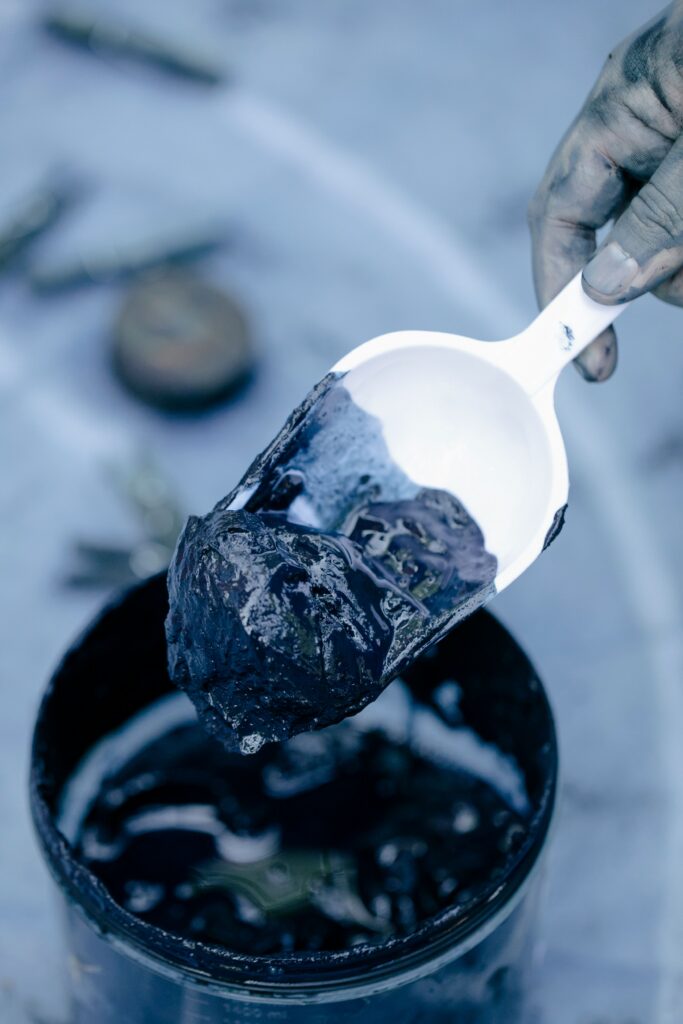
Sludge is a description of deposited material rather than a complete diagnosis. Determine likely composition and accessible removal options before choosing the maintenance response.
Recurring Contamination
Repeated findings suggest that the pathway or operating condition needs further review. Compare deliveries, vents, seals, transfer equipment and tank maintenance records.
Map the system and its weak points
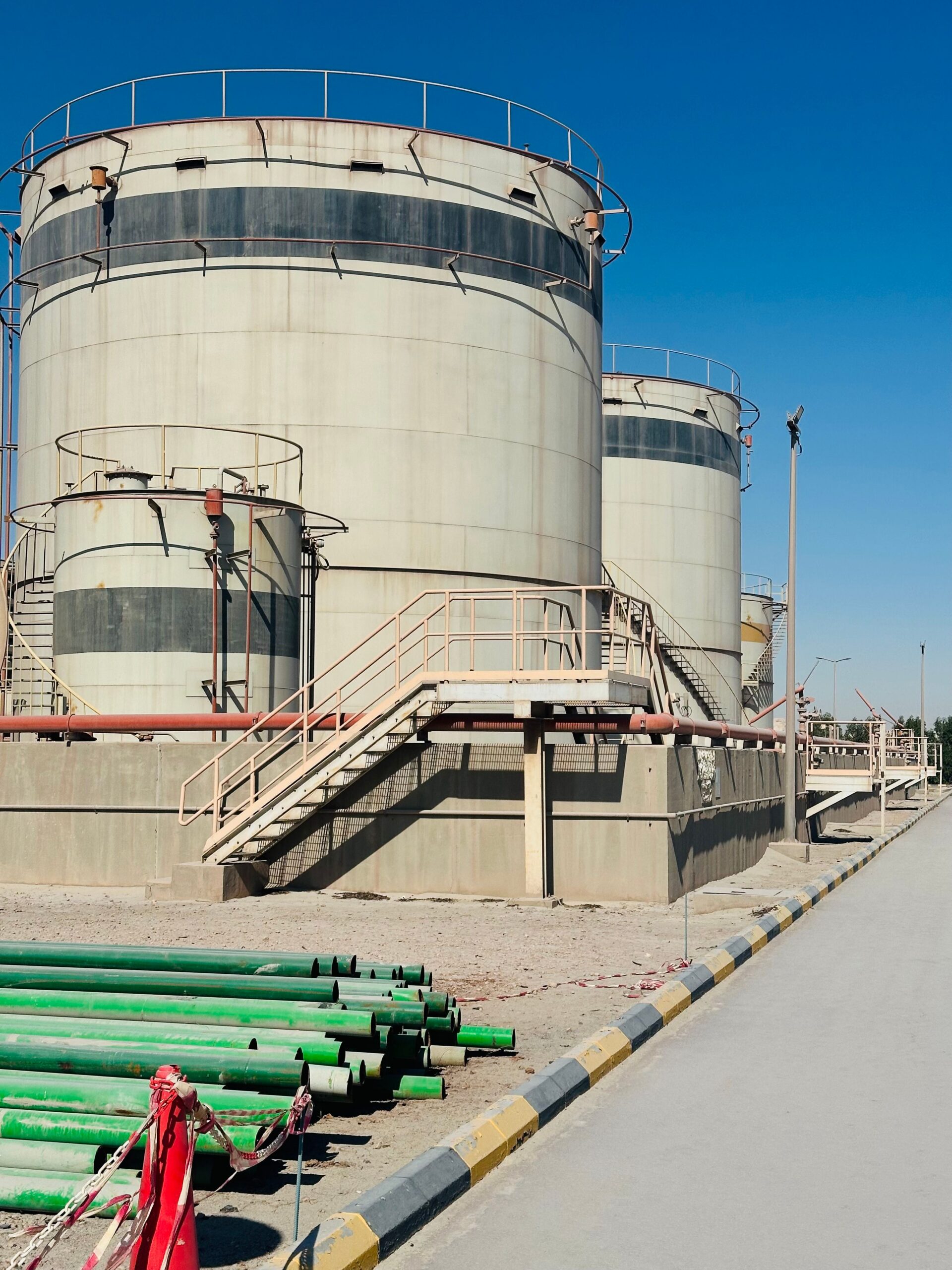
Identify delivery connections, storage tanks, low points, vents, transfer lines, filtration and equipment tanks. Review maintenance condition and access constraints. The map should show where observations or samples can meaningfully distinguish different sources. A clean-looking delivery record does not replace an assessment of what happens after fuel enters the site.
Use observations to prioritise the scope
Record water, deposits, filter history and changes following deliveries, weather or maintenance. Compare the findings with the tank configuration and intake arrangement. Where access limits the inspection, document that limitation instead of treating an uninspected compartment as verified clean. Define whether the immediate task is containment, investigation or corrective work.
Build control into everyday operation
Assign responsibility for receipt checks, relevant water observations, filter records and follow-up actions. Set escalation triggers that suit the asset’s requirements. After cleaning or other corrective work, retain a baseline and a clear review date. A network can use common record fields while allowing tank-specific inspection and maintenance arrangements.
From the evidence to the next action
| Finding | What to establish | Practical next step |
|---|---|---|
| Recurring bottom water | Ingress and drainage arrangements | Inspect the source and removal process |
| Deposits after disturbance | Tank configuration and coverage | Review the cleaning and monitoring scope |
| Different findings across sample points | Location and method consistency | Map the condition before generalising |
| Repeat events across sites | Common supplies or practices | Review network evidence and local exceptions |
Putting the guidance into practice
Illustrative decision example, not a customer case study
If several tanks show problems after a common maintenance change, review that shared change alongside local conditions. The common factor is an investigation lead, not proof that every tank has the same contamination or needs the same remedy.
Match the product to the identified task
Discuss products within the tank-management plan: FUELSTAT for defined microbial questions, Aquafighter for suitable stationary water-management applications and Fuel Right for supported treatment functions.
Fuel Right treatment formulations · FUELSTAT microbial testing · Aquafighter water management
Frequently asked questions
Not necessarily. State its location, phase and objective, and assess whether other areas need representation.
Yes. Record what was and was not inspected so the completion statement reflects the actual scope.
Use consistent governance and records, but match practical controls to each tank and operating environment.
Keep the scope, findings, actions, test results, limitations and follow-up responsibilities together.
Related Fuel Right Knowledge Resources


Continue the investigation
Technical references
Discuss the finding with Fuel Right Australia
Send the fuel grade, tank and fuel volumes, sample locations, operating history and available results. Include the decision you need to make and any operational constraints.