Fuel Right Australia Knowledge Centre
Fuel polishing versus fuel treatment: choose the process for the problem
Fuel polishing and chemical treatment are different interventions. Compare the task each performs, the tank areas it can address and the evidence needed to verify completion before choosing one or combining them.
Key Concepts to Understand
Fuel Polishing
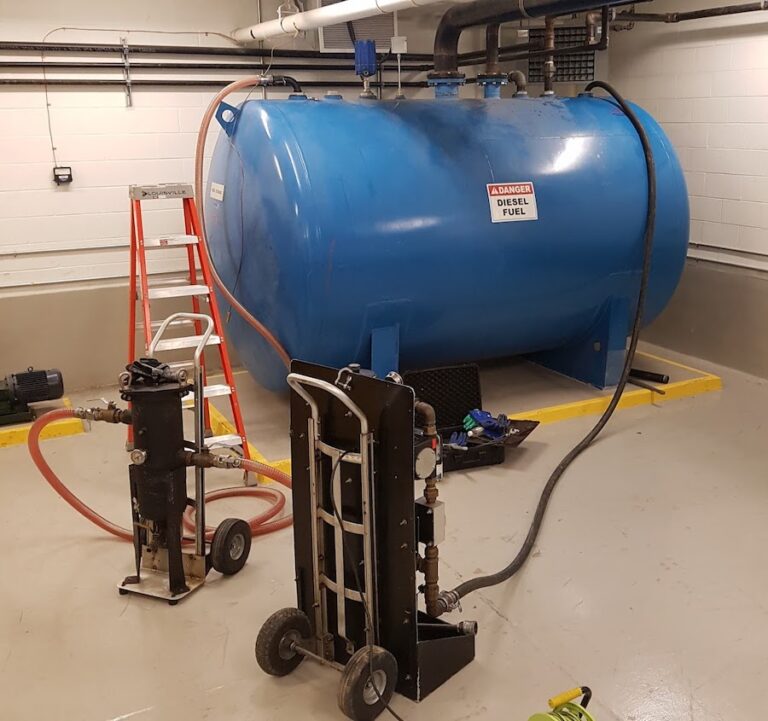
Polishing circulates fuel through physical separation or filtration equipment. Performance depends on the process, media, circulation path and access to the material being removed.
Fuel Treatment
Treatment applies selected chemistry for defined functions. The formulation and instructions determine its role; treatment should not be presented as a substitute for every physical maintenance task.
Physical Removal
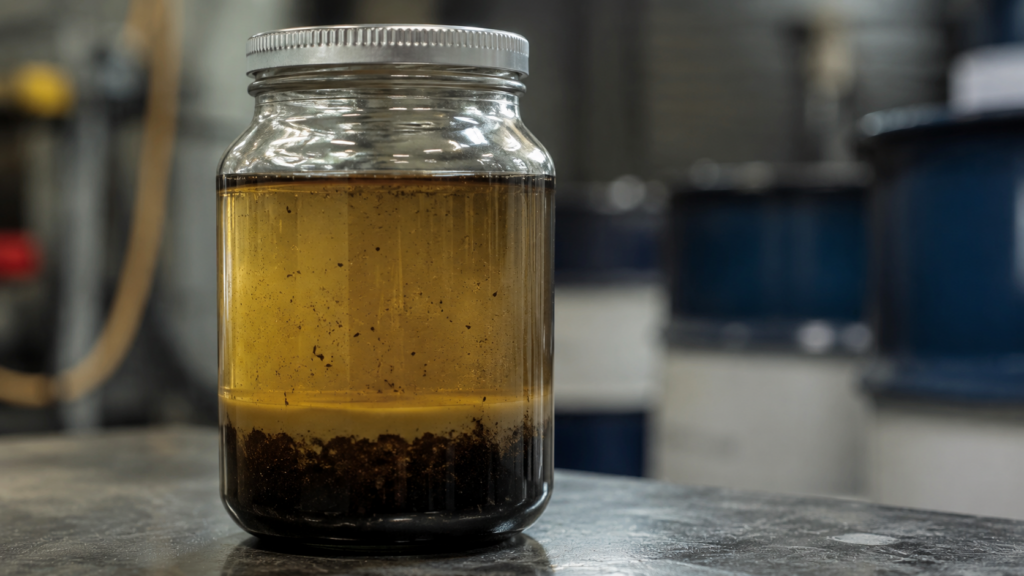
Draining, extraction and cleaning can remove accumulated material directly. Scope access, waste handling and verification before deciding whether these activities are required alongside polishing or treatment.
Filtration
Filter rating alone does not establish the condition of the whole fuel system. Match the filtration duty to the contaminant, flow requirements and verification objective.
Storage Risk
Storage conditions continue after an intervention. Review water ingress, turnover and housekeeping so the selected process forms part of an ongoing maintenance arrangement.
Decision Context
Begin with the decision to be made: remove a deposit, manage a treatment function or assess fuel suitability. The answer may require more than one process.
Define the physical removal duty
A polishing system circulates fuel through a selected separation or filtration arrangement. Its performance depends on the equipment, operating conditions and the material to be removed. Establish the relevant water and particle duties with the contractor. Circulation through a tank does not by itself prove that every internal surface or poorly swept area has been cleaned.
Define the chemical treatment objective
Fuel treatments have formulation-specific purposes and compatible applications. Confirm the product, dose, fuel volume and implementation plan using current documentation. Treatment should not be described as a substitute for removing significant accumulated water or an inaccessible deposit. Where microbial control is the objective, establish a separate suitability and instructions basis for any product proposed for that duty.
Specify an integrated scope and verification plan
Start with the condition and intended outcome. The scope may include water removal, cleaning, polishing, appropriate treatment and repeat testing, in a sequence agreed for the system. Define who owns each task and which results will demonstrate the outcome. A process description or number of circulation passes is not a substitute for agreed completion evidence.
From the evidence to the next action
| Finding | What to establish | Practical next step |
|---|---|---|
| Free water or particles | Removal duty and system access | Specify suitable physical separation |
| Settled or inaccessible deposits | Tank coverage and cleaning access | Assess tank-cleaning scope |
| Supported treatment need | Formulation and instructions | Plan product-specific application |
| Uncertain suitability after work | Required properties and sample points | Verify against agreed criteria |
Putting the guidance into practice
Illustrative decision example, not a customer case study
If an outlet sample improves during polishing but deposits remain in a tank compartment, the work may have improved the circulating fuel without completing the tank-cleaning objective. The distinction should be explicit in the scope and completion record.
Match the product to the identified task
Fuel Right treatment information, FUELSTAT testing and Aquafighter water management can inform separate parts of the plan. None should be presented as proof that every cleaning or fuel-quality requirement has been met.
Fuel Right treatment formulations · FUELSTAT microbial testing · Aquafighter water management
Frequently asked questions
There is no useful universal ranking. Select the intervention against the condition, system and required outcome.
They may form part of a coordinated plan where each has a defined purpose and the sequence is appropriate.
No. Agree the physical coverage, sampling and completion evidence required for the actual tank.
No. Establishing the problem helps avoid spending on a process that does not address the cause.
Related Fuel Right Knowledge Resources


Continue the investigation
Discuss the finding with Fuel Right Australia
Send the fuel grade, tank and fuel volumes, sample locations, operating history and available results. Include the decision you need to make and any operational constraints.