Fuel Right Australia Knowledge Centre
Marine diesel contamination: connect tank findings with vessel operation
Marine diesel care should reflect bunkering, water exposure, tank configuration and the vessel’s operating demands. Investigate the fuel path and plan corrective work around safe access and operational requirements.

Key Concepts to Understand
Water Exposure
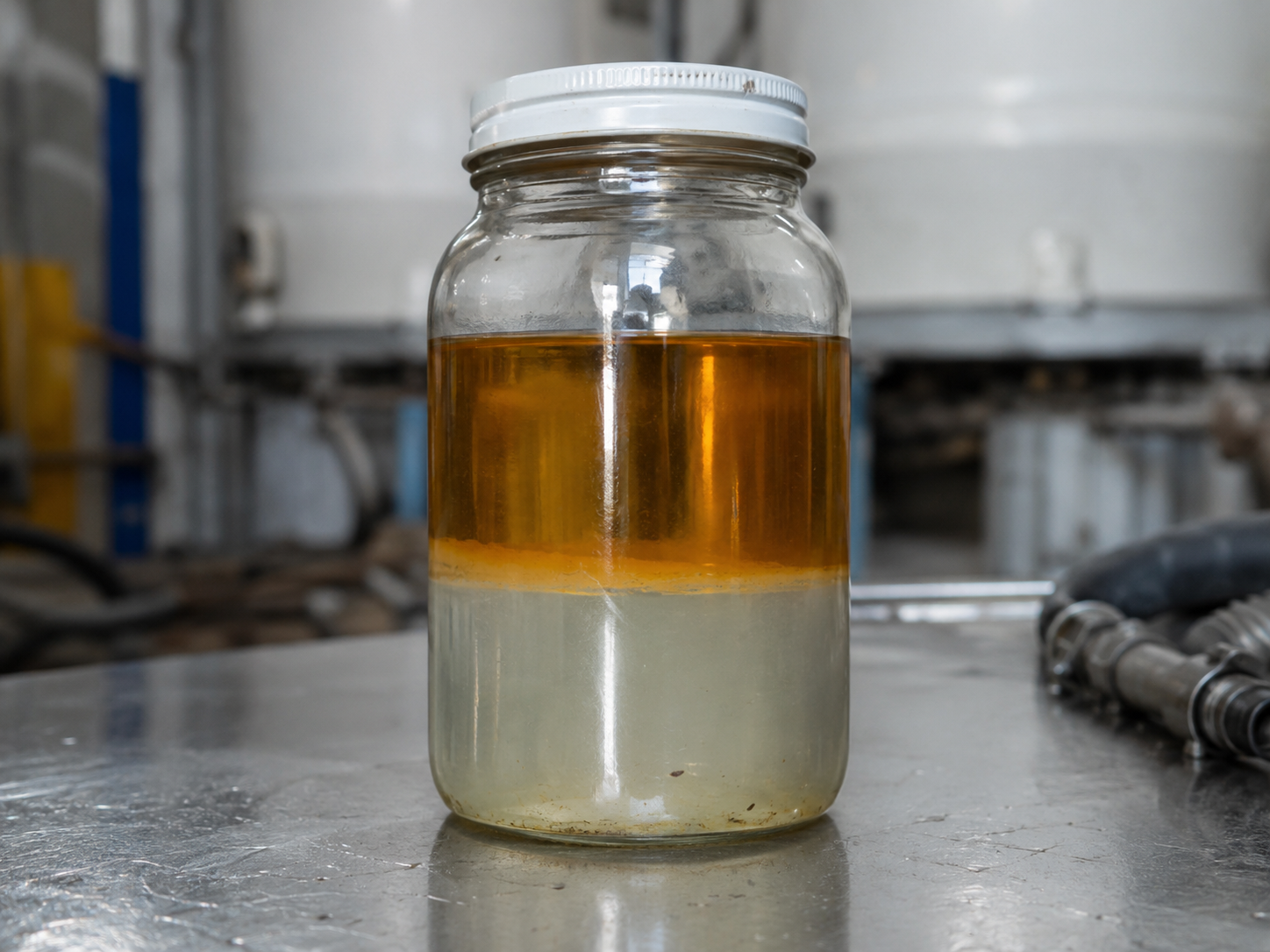
Water can enter through bunkering or vessel storage arrangements. Inspect likely entry routes and record water findings before selecting an ongoing management response.
Tank Movement
Vessel movement can redistribute material that has settled in tanks. Compare symptoms at sea with bunkering, tank levels and filter condition rather than relying on a static sample alone.
Humidity
Moisture and temperature changes are relevant to the storage review. They do not establish the source of every water finding; inspect deck fittings, seals and other possible routes.
Microbes
Microbial contamination needs an appropriate sampling and test method. Interpret results alongside water findings, maintenance history and the specific fuel application.
Sludge
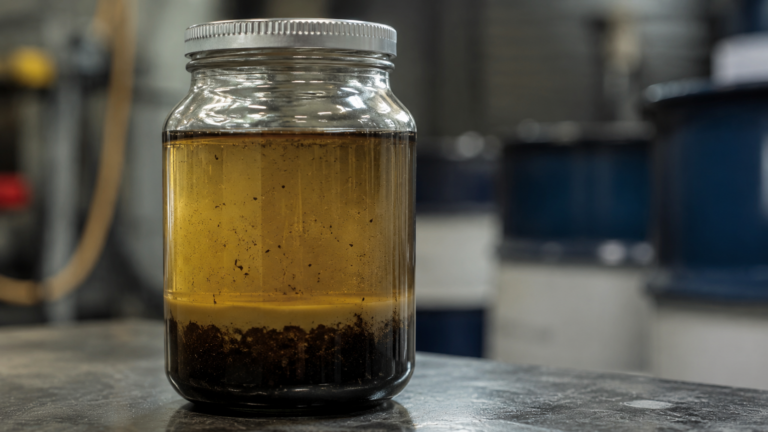
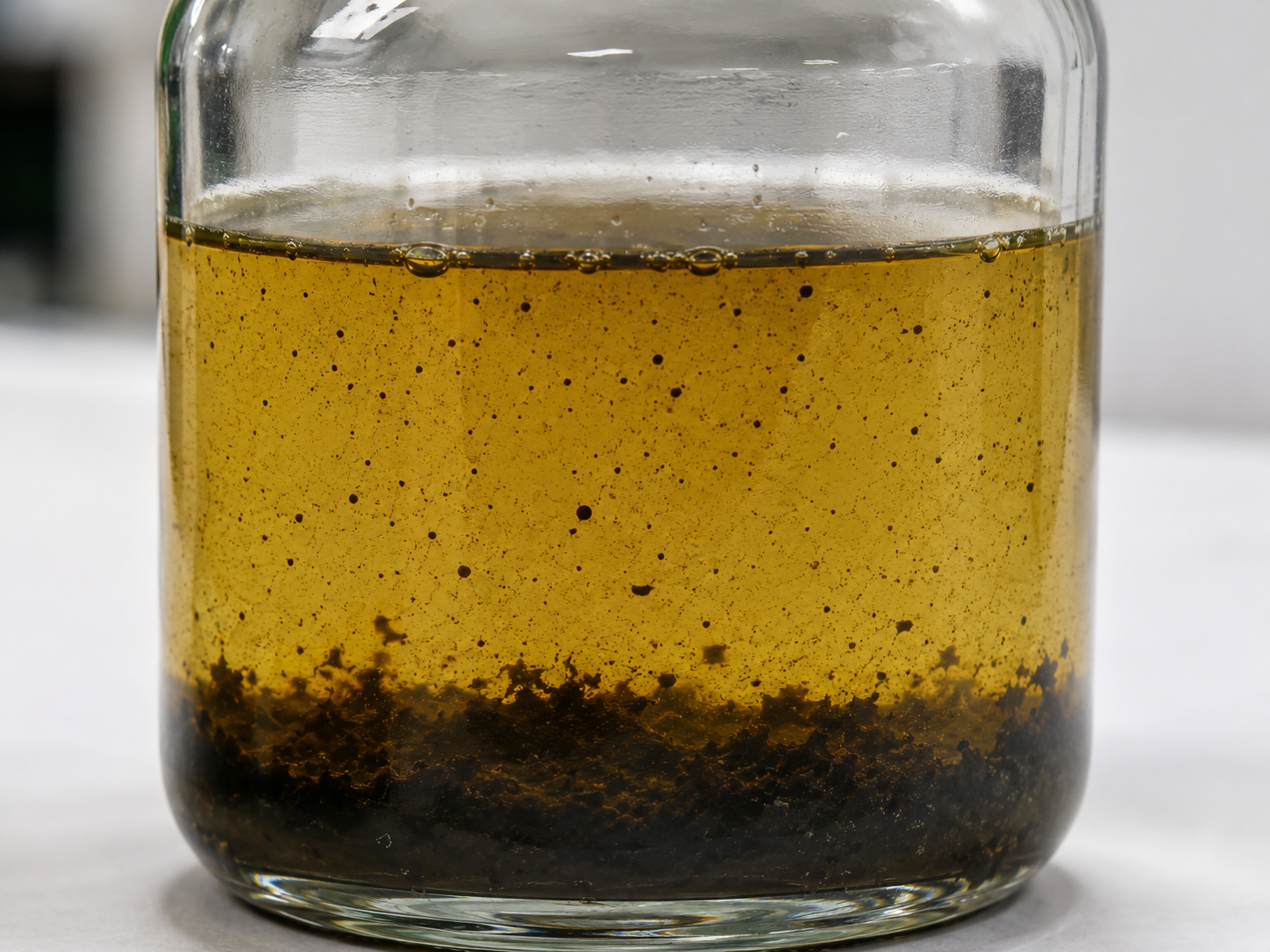
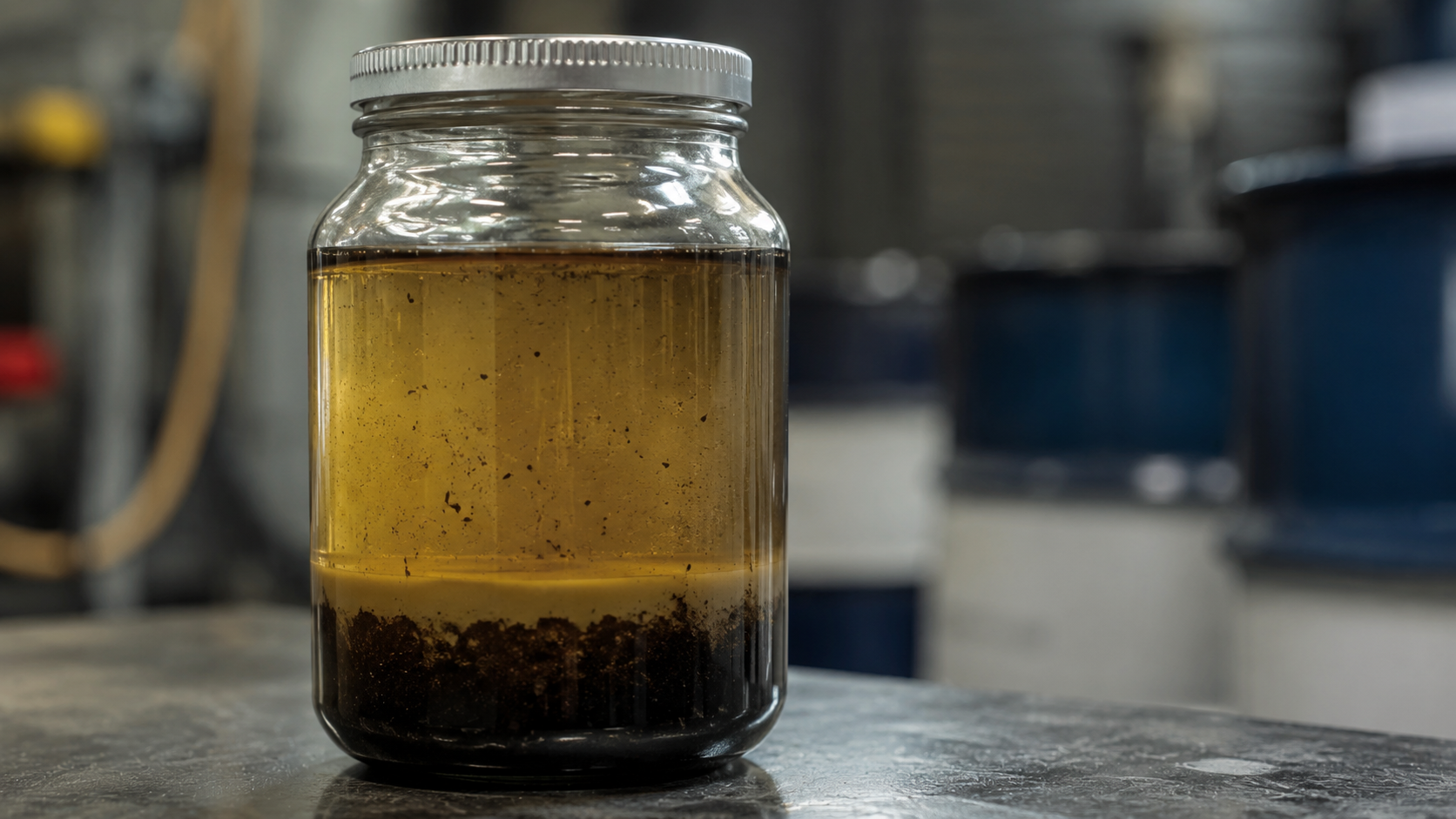
Accumulated deposits can affect fuel handling when disturbed. Assess access, controlled removal and filter-monitoring arrangements before undertaking a cleaning or treatment programme.
Vessel Availability
Plan corrective work around safe vessel operation and the consequence of restricted fuel supply. Keep treatment, inspection and fuel-transfer records available to the operating team.
Build the vessel-specific history
Record the fuel and bunkering information available, tank transfers, periods of low use, relevant water findings and filter events. Consider whether the symptom follows a delivery, a transfer or vessel movement. Different tank configurations and fuel paths can produce different observations; use the actual vessel arrangement as the basis for the investigation.
Separate the contamination questions
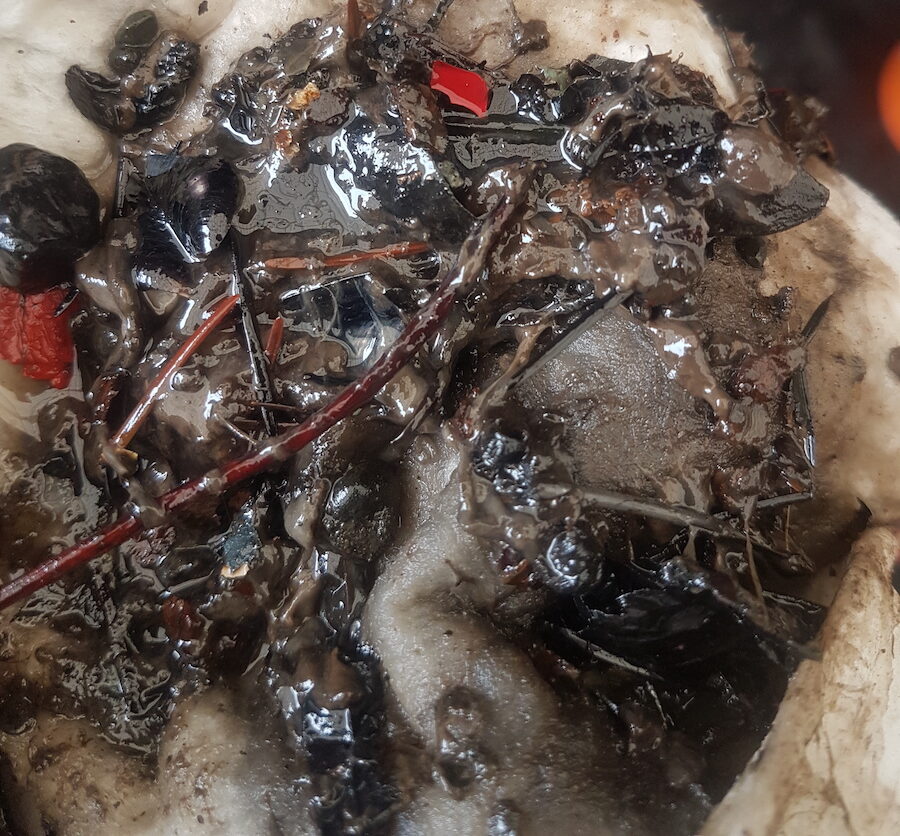
Water, particles, tank deposits and microbial contamination require different evidence. A sample from a convenient location does not automatically represent every compartment. Plan sampling with the responsible vessel team, and select relevant analysis rather than diagnosing solely from haze or dark material. This guide concerns distillate diesel systems; residual-fuel treatment requirements must be assessed separately.

Plan intervention and return-to-service evidence
Define the need for water removal, cleaning, filtration, further testing or supported treatment. Agree operational constraints, responsibilities and completion criteria before work starts. Follow the actual equipment and vessel procedures. If an in-tank Aquafighter filter is selected, remove it before operation and use it only while the tank is stationary, in accordance with Conidia’s instructions.
From the evidence to the next action
| Finding | What to establish | Practical next step |
|---|---|---|
| Restriction after bunkering | Delivery and tank-event sequence | Review the shared supply evidence |
| Water recurring in a tank | Source, location and removal history | Investigate ingress and maintenance |
| Symptoms after movement | Tank configuration and settled material | Assess deposits and the fuel path |
| Suspected microbial contamination | Representative sample and method | Plan a targeted investigation |
Putting the guidance into practice
Filters restrict when the vessel gets moving
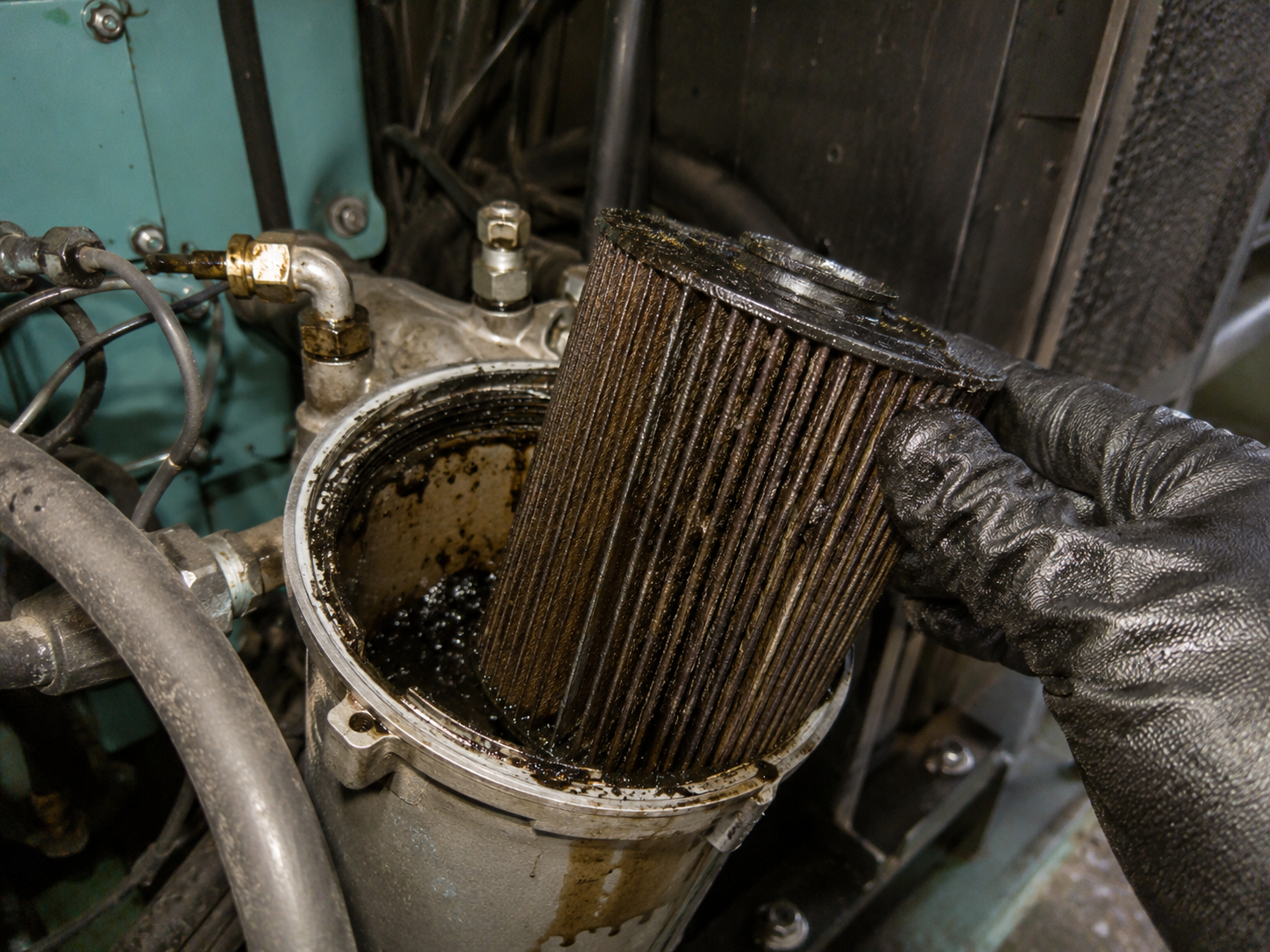
When filters restrict after a rough passage, review tank condition alongside bunkering and transfer records. Vessel movement can bring settled material into the fuel stream. Comparing low-point samples, filter deposits and the timing of symptoms helps the crew plan cleaning, water removal or further investigation before the next voyage.
Match the product to the identified task
Review fuel-specific Fuel Right formulations, the correct FUELSTAT diesel kit and Aquafighter’s stationary-use requirements as separate parts of the vessel’s fuel-care plan.
Fuel Right treatment formulations · FUELSTAT microbial testing · Aquafighter water management
Frequently asked questions
No. Conidia requires removal before operation. Use only while the tank is stationary and follow the selected product’s instructions.
No. Review the captured material and relevant testing before assigning a cause.
No. Distillate diesel and residual marine-fuel systems have different requirements. Use the correct fuel and equipment guidance.
Include tank configuration, fuel type, bunkering and transfer history, symptoms, available samples and the operating constraints.
Related Fuel Right Knowledge Resources
Continue the investigation
Discuss the finding with Fuel Right Australia
Send the fuel grade, tank and fuel volumes, sample locations, operating history and available results. Include the decision you need to make and any operational constraints.