Fuel Right Australia Knowledge Centre
Preventative diesel treatment: build a programme that can be monitored
Preventative treatment is a planned product application within a wider maintenance programme. Define its purpose, select the appropriate formulation and retain evidence that makes future decisions more reliable.
Key Concepts to Understand
Prevention
A preventative programme aims to manage identified risks before recurring symptoms dominate maintenance. Define the treatment objective and the evidence that will be used to review it.
Stored Diesel
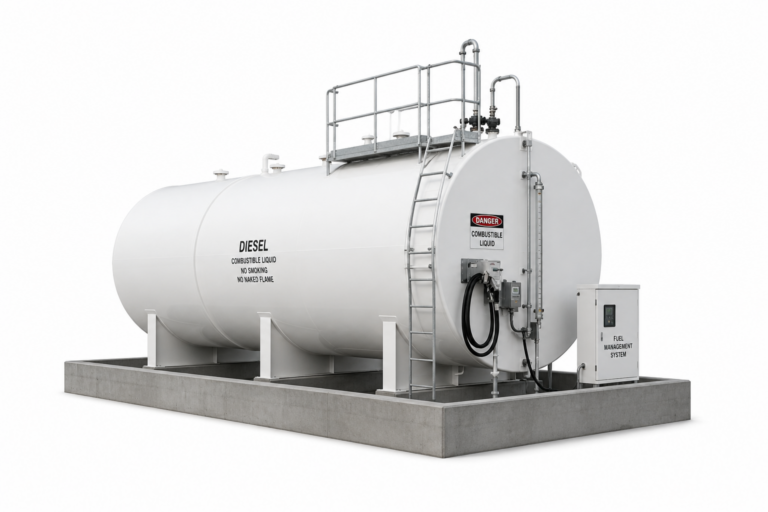
Treatment selection begins with the fuel actually stored and the intended equipment application. Confirm formulation-specific compatibility and current instructions before planning supply or dosing.
Water Control
Treatment does not remove the need to manage accumulated water and recurring ingress. Give inspection and water-control responsibilities a defined place in the programme.
Tank Hygiene
Maintain fill points, caps, transfer equipment and tank housekeeping. These controls address contamination pathways that a dosing programme alone may leave unresolved.
Filter Life
Filter service life depends on system conditions and duty. Record changes and captured material; avoid promising a fixed life extension without relevant operating evidence.
Monitoring
Set review activities around the asset's requirements and findings. Compare like-for-like observations and record changes to product, dose, fuel source or maintenance.
Establish a baseline and objective
Describe the fuel, storage system, turnover, operating environment and known findings. Decide what the treatment is intended to support and what existing conditions require separate action. A programme for a serviceable tank should not assume that dosing alone resolves significant accumulated water, inaccessible deposits or an unexplained fuel-quality concern.
Select and implement from product-specific instructions
Compare formulations by their documented functions and compatible applications. Confirm the actual volume, dosing basis, handling requirements and implementation responsibilities. Do not turn different bulk-treatment ratios into a simple ranking of product strength. Record the product and amount used, the fuel volume and the relevant delivery or application date.
Review the operating evidence
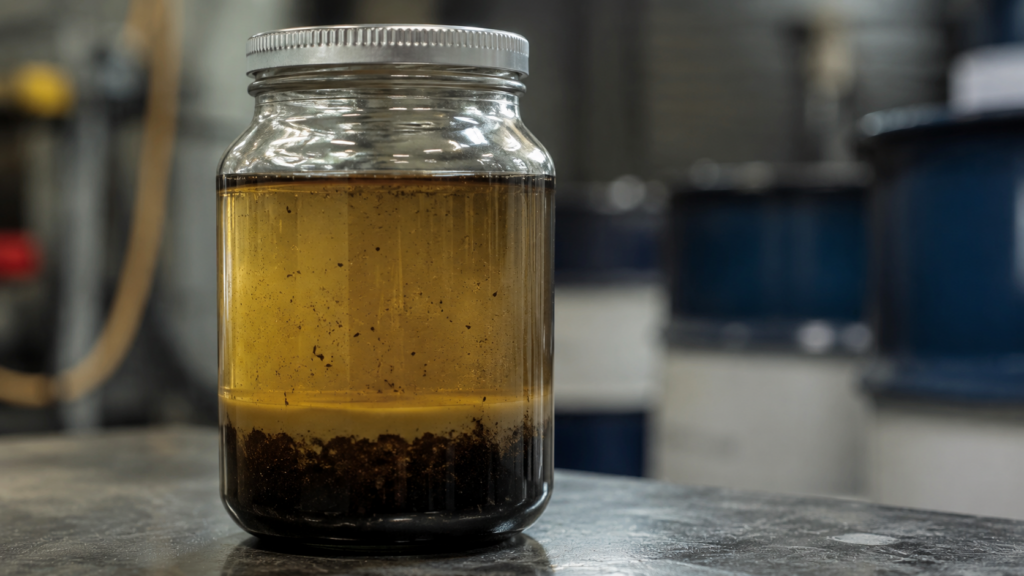
Set practical monitoring around the objective and system risk. Relevant evidence may include tank and water observations, filter activity and appropriate test results. Define the action owner and triggers for reassessment. Where symptoms recur, revisit the cause and implementation rather than automatically escalating a dose or substituting a different formulation.
From the evidence to the next action
| Finding | What to establish | Practical next step |
|---|---|---|
| Routine programme proposed | Baseline condition and objective | Select the documented function required |
| Uncertain dosing basis | Exact product and actual volume | Confirm instructions before application |
| Existing abnormal condition | Separate remediation needs | Assess before relying on routine treatment |
| Continuing symptoms | Cause, application and evidence | Reassess the programme |
Putting the guidance into practice
Illustrative decision example, not a customer case study
A network can standardise the dosing record and review process while allowing different tank-specific inspection needs. Consistent governance does not require pretending that every site has the same fuel history or water exposure.
Match the product to the identified task
The ProActive, 15K and 30K pages explain formulation-specific selection. FUELSTAT and Aquafighter may support separate monitoring and water-management requirements.
Fuel Right treatment formulations · FUELSTAT microbial testing · Aquafighter water management
Frequently asked questions
No. Product application and system inspection support different parts of fuel care.
Select by formulation functions, fuel compatibility and instructions rather than a simple strength ladder.
Review the cause, implementation and product guidance before changing the programme.
Set relevant measures and review dates before implementation, then compare evidence under reasonably comparable conditions.
Related Fuel Right Knowledge Resources


Continue the investigation
Discuss the finding with Fuel Right Australia
Send the fuel grade, tank and fuel volumes, sample locations, operating history and available results. Include the decision you need to make and any operational constraints.
