Fuel Right Australia Knowledge Centre
Stored diesel fuel degradation: assess condition, not age alone
Storage age is useful history, but it is not a release certificate or a complete diagnosis. Assess the actual fuel condition alongside the storage environment, turnover and requirements of the equipment it will supply.

Key Concepts to Understand
Oxidation
Oxidation concerns chemical change in the fuel. Clear appearance and successful filtration cannot demonstrate that oxidation stability or other required properties remain acceptable.
Long Storage
Fuel age is useful context, but there is no single storage duration that proves suitability for every tank and application. Review actual conditions and testing needs.
Fuel Instability
Instability can lead to changes that matter in storage or use. Ask the laboratory which method answers the suspected issue and how its result should be interpreted.
Sediment Formation
Deposits can have several origins, including fuel-derived material and external contamination. Identify the material and its location before selecting a corrective process.
Tank Hygiene
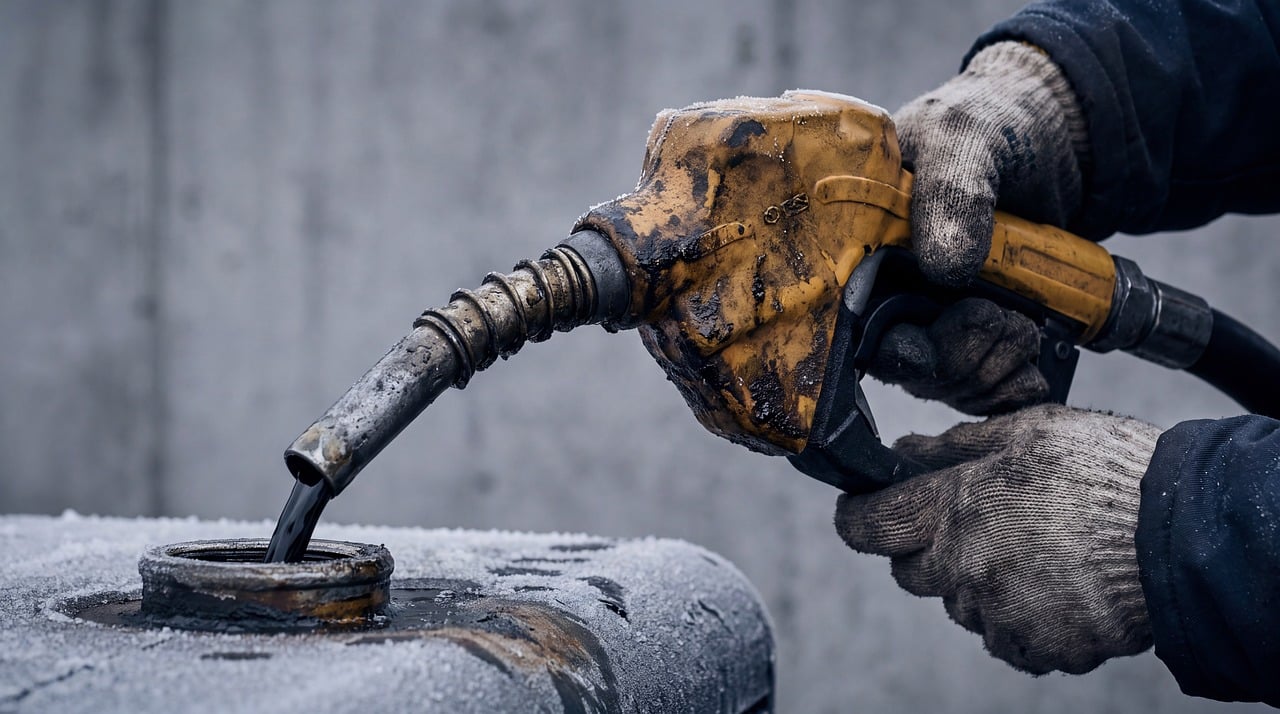
Water and accumulated residues need attention alongside the fuel itself. Replacing or treating fuel without reviewing tank condition can leave sources of recurrence in place.
Monitoring
Use dated, comparable observations and results to track change. A consistent sampling point and recorded interventions make trends more useful than isolated unlabelled samples.
Distinguish ageing from introduced contamination
A fuel can change chemically during storage, while water and particles can also enter or accumulate in the system. Those processes can occur together but require different evidence. Build a timeline of receipts, turnover, storage conditions, water findings and interventions. Avoid explaining every change in an older fuel sample as oxidation or every restriction as microbial contamination.
Test the properties relevant to the decision
The assessment should answer whether the fuel is suitable for the intended use, whether a condition requires correction or whether more information is needed. Discuss the appropriate test suite with the laboratory and asset owner. Appearance, microbial screening and particle or water measurements each have limits; no single result automatically answers every suitability question.
Manage stock and verify the chosen response
Plan stock rotation and inspection around the operation rather than assuming one universal shelf life. Identify low-turnover tanks and assets whose fuel must remain available for an extended run. Where an intervention is selected, establish the intended effect and how it will be measured. Do not assume that filtration or adding treatment reverses every chemical change in aged fuel.
From the evidence to the next action
| Finding | What to establish | Practical next step |
|---|---|---|
| Extended storage with limited records | Fuel identity and history | Establish a baseline assessment |
| Appearance or filter change | Relevant physical and chemical properties | Select targeted analysis |
| Low-turnover critical stock | Asset requirements and exposure | Set an inspection and review programme |
| Fuel proposed for reuse | Intended application and acceptance criteria | Obtain appropriate evidence before release |
Putting the guidance into practice
Illustrative decision example, not a customer case study
Two tanks of the same age can have different histories: one may receive regular turnover and water checks, while the other remains largely undisturbed. Use those differences to shape the assessment instead of applying a calendar-based assumption to both.
Match the product to the identified task
Discuss treatment only after establishing the objective and fuel suitability. Product-specific functions should not be converted into an unsupported universal storage-life extension claim.
Fuel Right treatment formulations · FUELSTAT microbial testing · Aquafighter water management
Frequently asked questions
Do not decide from age alone. Use the relevant equipment, supplier and condition evidence for the actual fuel.
No. Visual appearance does not establish every chemical or performance property.
Physical separation addresses its defined removal duty. It does not demonstrate reversal of every chemical change.
Combine suitable stock management, water and tank checks, relevant testing and documented review responsibilities.
Related Fuel Right Knowledge Resources


Continue the investigation
Technical references
Discuss the finding with Fuel Right Australia
Send the fuel grade, tank and fuel volumes, sample locations, operating history and available results. Include the decision you need to make and any operational constraints.