Commercial marine
Marine fuel treatment for vessel tanks and fuel systems
We support marine fuel care for Australian commercial vessels and marine operators, with treatment guidance for sludge, deposits and corrosion risk from storage tanks through to filtration and fuel-system components. We select the product and dosing approach against the actual fuel grade, tank condition and vessel operating requirements.
Fuel care for commercial marine operations
We focus on practical implementation onboard: clear dosing records, monitoring during initial cleaning and a defined response to accumulated water or sediment. We assess treatment alongside the vessel’s fuel-handling and maintenance procedures, recognising that different marine fuel grades require different application guidance.
Manage marine fuel contamination from storage to filtration and machinery
We connect treatment chemistry with vessel fuel management. Our priorities are deposit control, corrosion protection, correct dosing and a monitored fuel path to propulsion and auxiliary equipment.
Address sludge in vessel tanks and fuel systems
We use treatment designed to dissolve and disperse sludge and help prevent further formation. We assess tank history and contamination findings before application, then recommend monitoring filtration as existing deposits are released.
Protect metal surfaces against fuel-system corrosion
Our chemistry forms a microscopic protective film on metal surfaces. We include corrosion protection in the programme while recommending investigation of water ingress, accumulated water and tank-condition concerns.
Match treatment to the actual marine fuel grade
We confirm the grade in service before selecting the product and ratio. We distinguish standard bulk dosing from grade-specific guidance, including the separate 30K bulk ratio for IFO 180, rather than applying one calculation to every marine fuel.
Plan filtration and separator monitoring during cleaning
We account for the release of existing contamination when treatment begins. We recommend checking filters and separators and assessing whether heavy contamination, water or sediment requires physical removal alongside treatment.
Maintain traceability across bunkering and transfers
We recommend recording the fuel grade, volume, treatment quantity and receiving tank. We use those records to support consistent dosing as fuel moves through storage and service systems.
Review fuel care against vessel operating evidence
We recommend combining tank observations, sample results, filtration records and operating findings. We use that evidence to refine the treatment programme without promising a universal reduction in consumption, emissions or maintenance cost.
Commercial Marine: practical applications
Offshore platforms
We assess diesel held for generation, pumping and supporting infrastructure. We recommend treatment and monitoring matched to storage turnover, fuel grade and the consequences of interruption to the supply.
Offshore service vessels
We consider the fuel path to propulsion and auxiliary generation, including storage and transfers. We recommend reviewing water findings, sample results and filter or separator history before selecting treatment.
Workboats
We review storage, refuelling and the diesel supplied to machinery under variable operating demand. We recommend product selection and filtration monitoring that fit the vessel’s fuel-handling and maintenance arrangements.
Fuel barges
We consider the grades carried, storage condition and transfer practices. We recommend traceable dosing and representative fuel-condition records as supplies move between storage, delivery and receiving systems.
Ferries
We assess the tanks and fuel systems supporting repeat operating cycles. We recommend investigating recurring filter restriction alongside fuel-condition evidence and maintaining records that allow comparable assessment of treatment results.
Chemical tankers
We confirm the fuel grades used for propulsion and port operations before recommending treatment. We assess storage, transfers and filtration separately where different grades or operating arrangements apply.
Freighters
We review bunkering history, tank condition and the fuel path to main and auxiliary machinery. We recommend appropriate dosing records, representative samples and monitoring during initial cleaning.
Container vessels
We assess the actual fuel grades, storage arrangements and engine requirements. We recommend a grade-specific treatment programme with traceable bunkering records and monitoring of filtration and accumulated contamination.
A grade-specific marine treatment programme
We begin with the marine fuel grade, tank capacities, actual volume, bunkering history and the vessel’s fuel-handling arrangements. We review sample findings, water observations and filter or separator history before recommending treatment.
We define the applicable dosing basis before application. Our standard bulk ratios are 1:10,000 for ProActive, 1:15,000 for 15K and 1:30,000 for 30K where those products and instructions apply. For 30K used with IFO 180, we use the separate 1:20,000 bulk ratio. We assess shock treatment independently.
We plan initial cleaning around the vessel’s maintenance and operational requirements. Existing deposits can be released during treatment, so we recommend monitoring filtration and separators and arranging physical removal where accumulated water, sediment or heavy contamination requires it.
We review the programme using the vessel’s fuel-condition and maintenance evidence. We keep grade, volume and dose records with sample findings and filtration activity, providing a practical basis for assessing storage care and refining future treatment.
A documented marine evidence base
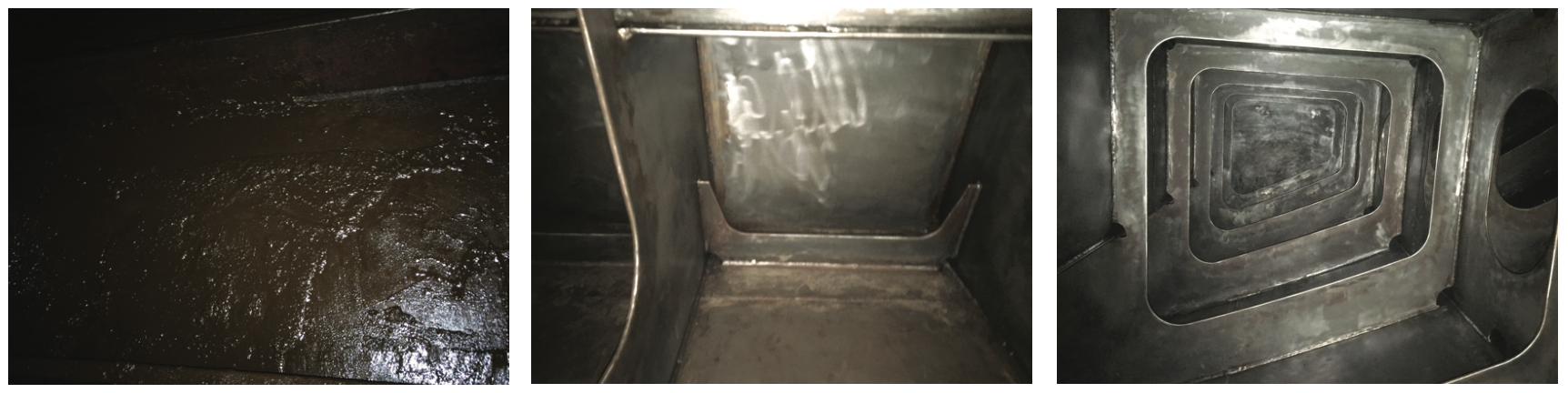
Tank cleanliness after sustained treatment
Our published superyacht case study shows tank interiors before treatment and after one year of continuous use in South-East Asia. We use the photographs to illustrate an established treatment programme in its operating context.
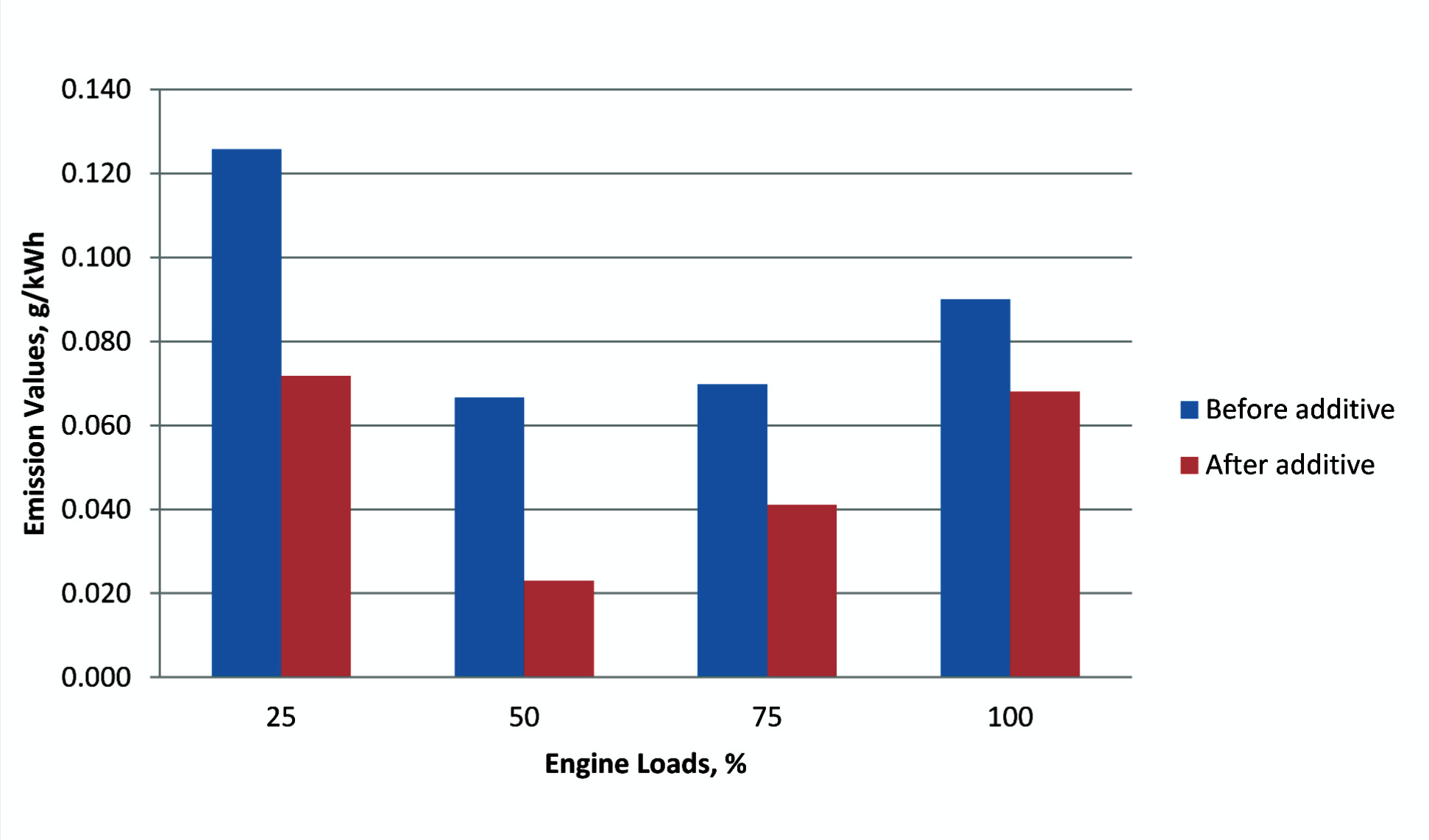
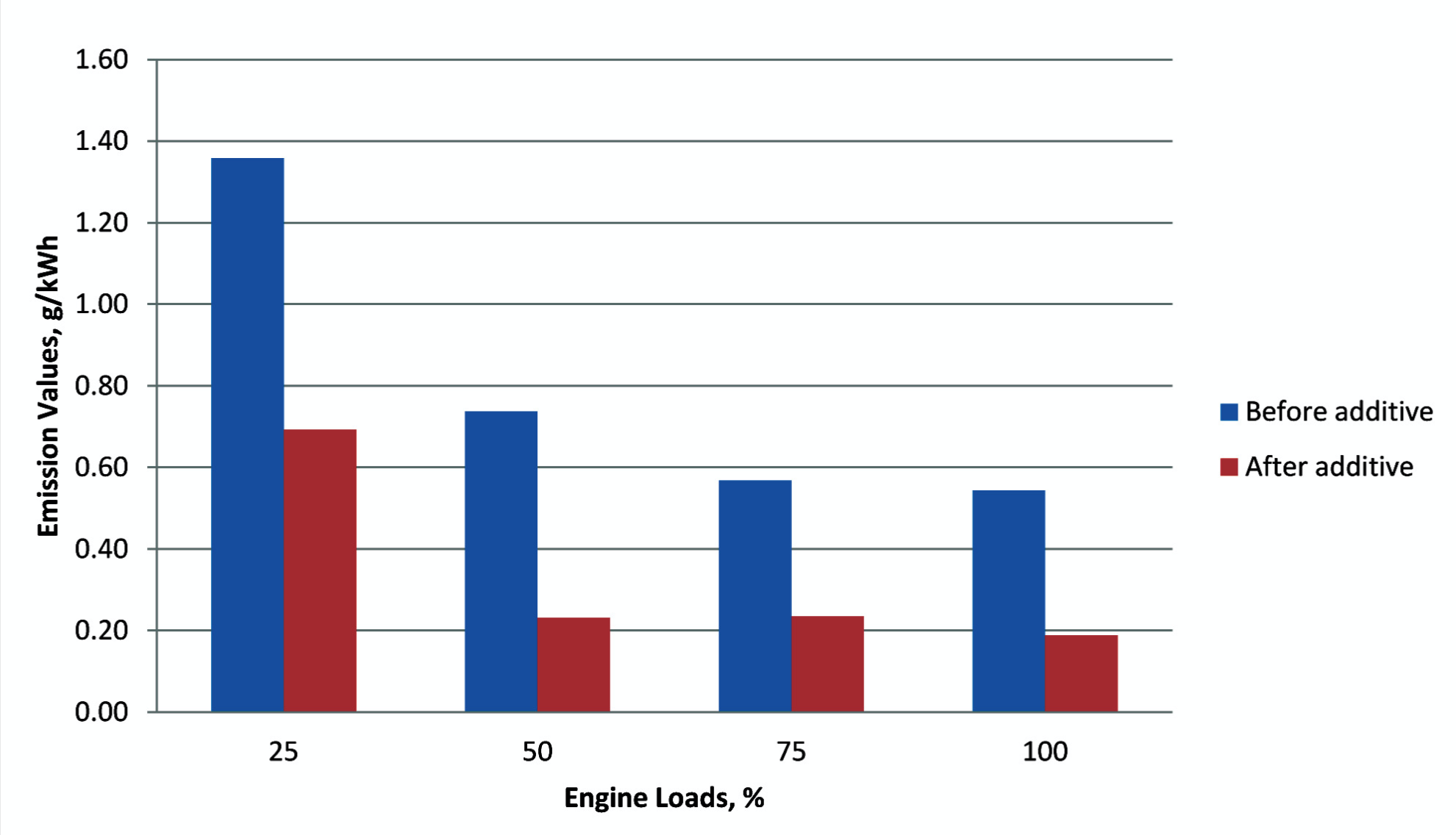
Ferry emissions under the documented test conditions
Our marine evidence includes a four-stroke ferry trial attributed to Istanbul Technical University. The published results record 38% lower particulate emissions and 60% lower hydrocarbon emissions for that test.
Elin Shipping: tank condition and filtration
Our published operator feedback records treatment of MGO and IFO 180 systems from May 2015. The engineer described cleaner tanks and approximately 30% longer filter-cleaning intervals during the documented experience.
Shen Hua: trial and fleet adoption
Our 2016 case study records cleaner filters and purifiers, an estimated 3.67% improvement in fuel economy and implementation across 40 ships. We present these as historical case-specific findings, not a universal fleet saving.
Atlantic Towing: fuel-system cleanliness
Our published Atlantic Tern feedback describes cleaner tanks, fuel lines, filter housings and injection equipment during the operator’s programme.
We provide the application context, charts and operator statements in our 2021 marine case-study catalogue.
Marine operator feedback
We retain the following historical operator statements alongside our published marine case studies. We present each account in its operating context and continue to recommend ongoing fuel-condition monitoring within the treatment programme.
“I was the person who started this program in the tug fleet as well as onboard the Atlantic Tern. We have had good results using this product to help keep our tanks, engine fuel lines, filter housings and injection system clean. As a side effect we have less carbon build up in the L/O spin filter onboard the Atlantic Tern which will help extend L/O life expectancy. The Tern is a good example as this vessel is used for stbd duties and operates for long periods of time at low power and speed. For an older engines equipped with mechanical injection and fixed timing this is a poor operating profile. The Fuel Right additive is used to assist with clean burn.”
“Our fleet consists of three vessels. Two tanker/ro-ro vessels that operate solely on MGO and one chemical tanker that operates primarily on IFO 180 but uses MGO to enter/leave ports. We frequently had a lot of problems with bacterial infections in MGO storage tanks. At the time, we were using Bioguard to treat the MGO tanks and while it was somewhat effective, we actually had to manually clean the MGO tanks every 2,5 years (when the vessels were dry-docked) in order to remove sludge. In May 2015 we started using Fuel Right additive to all our bunker tanks both in MGO and IFO. Immediately we noticed a night and day difference in MGO tanks. There were no problems with microbial infection whatsoever. In fact, we have now stopped using the onboard microbial test kits and we can almost strip the tank to its bottom without having problems with filters clogging as we had before using Fuel Right. I personally inspected the MGO bunker tanks of one of our vessels that was dry-docked on September 2015. The tanks were clean. As for the IFO 180, I carried out a lot of tests, with and without Fuel Right during these eighteen months over several bunkerings as to ensure that I could attribute any positive results to Fuel Right and not to the possible variations in bunker quality. I can now attest that there is less sludge production and the fuel filters’ cleaning intervals increase significantly, about 30% when using Fuel Right. Bunker quality of course still remains of great importance. Overall, ours has been a positive experience. We intend to keep using Fuel Right in the future, treating our MGO and IFO bunkers on a continuous basis.”
Yacht, cruiser and recreational boat fuel management
Boat and yacht fuel treatment needs a different maintenance rhythm from a continuously operating commercial vessel. Sailing yachts, motor cruisers, recreational fishing boats and marina-based vessels often carry fuel through long periods of low use. Storage age, water ingress, separator condition, the fuel grade and how tank contents move in rough weather all influence the risk of blocked filters and loss of propulsion. Fuel Right supports an evidence-led treatment programme rather than recommending an additive for every symptom.
For yachts and recreational boats, the practical priorities are checking tank and deck-fill integrity, draining free water from the separator as instructed by the engine maker, inspecting filters, monitoring fuel age, and investigating recurring sludge or dark deposits. A record of what was found and when it happened is more useful than a one-off visual impression of fuel colour.
Diesel bug, water and sludge in recreational vessel tanks
Diesel bug describes microbial growth associated with water. Microbial material and other settled contaminants can obstruct fuel filters, while vessel movement can disturb deposits and worsen an existing restriction. However, dark slime, blocked filters or rough-running engines do not uniquely identify microbes: sediment, oxidation products, water and mechanical faults can produce overlapping symptoms. Review the microbial growth in diesel guide, water in diesel guidance and blocked fuel filter assessment when building the diagnosis.
Where significant free water, bottom sludge or recurring filter blockage is confirmed, physical separation, tank cleaning or appropriate filtration may be necessary. Fuel polishing and fuel treatment perform different jobs; neither guarantees the removal of all contamination from an inaccessible or baffled tank. Plan filter monitoring during any corrective programme and confirm the vessel is safe to operate before going offshore.
Yacht diesel, motor cruiser and petrol boat fuel care
Diesel inboard yachts and cruisers: assess stored diesel, separator water, tank-bottom material, microbial risk and filtration. Confirm that any proposed fuel conditioner is compatible with the engine and diesel grade, then follow current product instructions rather than guessing the dose. Petrol outboards and runabouts: treat ethanol compatibility and petrol storage as a separate matter. Do not assume that a product recommended for marine diesel is appropriate for petrol; consult engine and vessel instructions first.
Before an extended passage, ask whether the fuel is from a reliable supply, whether water has been repeatedly drained, whether the filter has needed early replacement, and whether the tank has a history of contamination after a rough trip or refuelling. The NSW Government vessel maintenance guidance addresses ethanol, fuel-filter and tank checks. The Yanmar marine engine operating manual documents the role of a fuel pre-filter and water separator. Apply the specific engine’s manual where it differs.
Selecting Fuel Right for marine fuel concerns
For serviceable fuel and preventative marine fuel care, review ProActive or Fuel Right 15K against the actual fuel grade and the current technical literature. When deposit management or existing tank sludge is the concern, Fuel Right 30K may warrant assessment as one part of a monitored corrective plan. Do not treat fuel conditioning as an automatic substitute for a biocide, tank cleaning, physical water removal or engine servicing. The correct response depends on sampling, contamination severity and documented product suitability.
We can assist vessel owners, yacht clubs, chandlers and marine contractors with treatment selection questions, fuel history and maintenance planning. Speak to Fuel Right about your tank capacity, marine fuel grade, fuel age and the actual separator and filter findings.
Relevant Fuel Right products
We select treatment against the fuel grade, tank condition and operating requirements. We distinguish the formulations by their documented functions and application guidance rather than treating concentration alone as a measure of suitability.
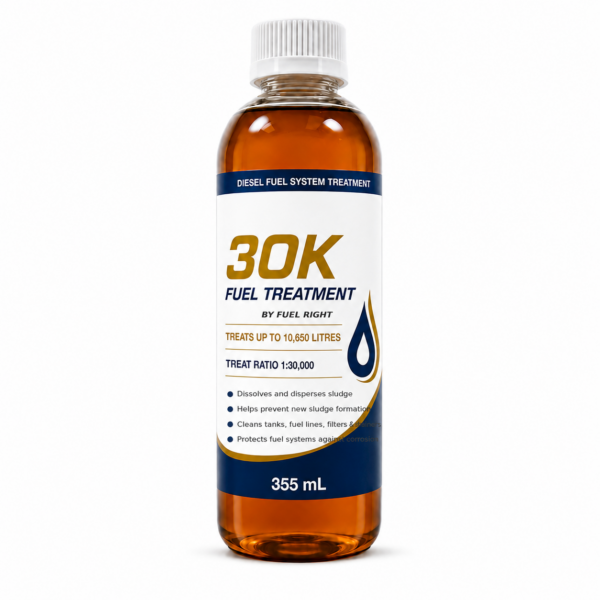
We recommend 30K for applicable bulk treatment programmes focused on sludge, deposits and corrosion protection. Our standard bulk ratio is 1:30,000; we confirm any fuel-grade-specific instructions before dosing.
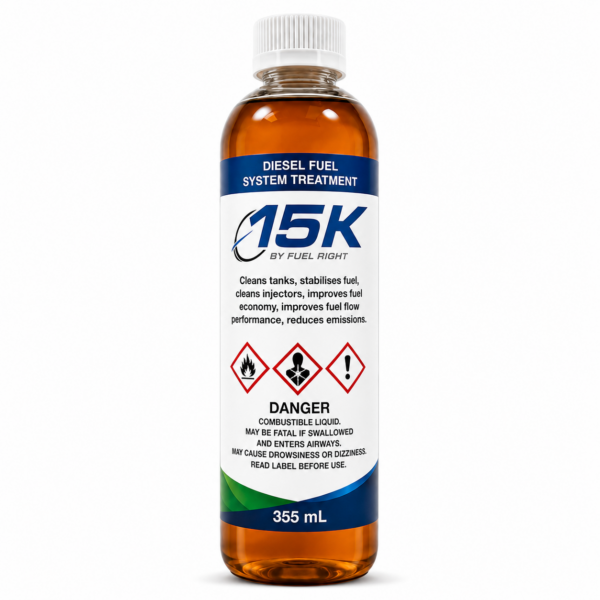
We select 15K where its cleaning, corrosion-protection, lubricity and fuel-line freeze-protection functions suit the application. Our standard bulk ratio is 1:15,000; we confirm the operating conditions and treatment objective before application.
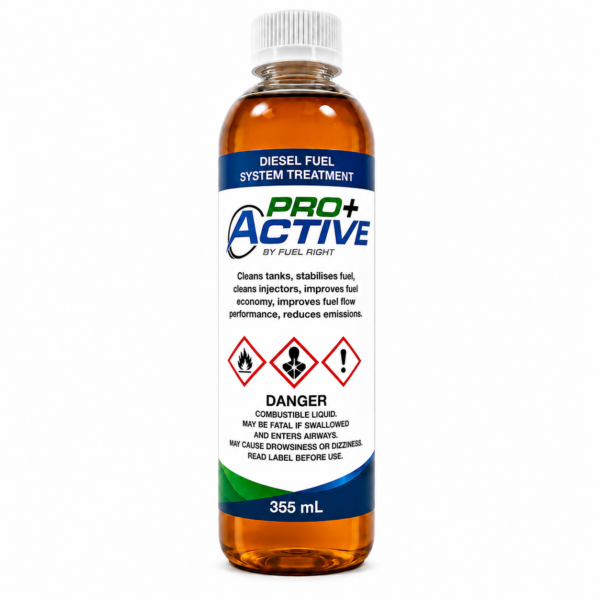
We recommend ProActive for applicable diesel systems where sludge control, corrosion protection and enhanced lubricity are required. Our standard bulk ratio is 1:10,000; we assess the system condition before selecting routine or shock treatment.
Commercial Marine FAQs
We confirm the actual grade and the proposed product before recommending a dose. We use the application guidance appropriate to that combination, including the separate 30K bulk ratio of 1:20,000 for IFO 180. We do not extend a standard diesel calculation to every marine fuel.
We recommend assessing the existing contamination burden and planning monitoring during initial cleaning. Treatment can release deposits into the fuel path, so we recommend checking filters and separators and assessing whether water, sediment or heavy contamination requires physical removal.
We recommend using documented operating data with a clear baseline and comparable conditions. We distinguish the treatment’s deposit-control and corrosion-protection functions from claims about fuel consumption or emissions. We use vessel-specific evidence before making a quantified performance claim.
We calculate additive volume by dividing the diesel volume by the applicable treatment ratio. For standard bulk treatment of 10,000 litres, we use 1 litre of ProActive, approximately 667 mL of 15K or approximately 333 mL of 30K. We confirm the product and fuel application before dosing; grade-specific marine instructions can differ.
We use bulk treatment for a defined ongoing programme and assess shock treatment separately where existing sludge requires accelerated cleaning. Our product-specific shock ratios are 1:4,000 for ProActive, 1:6,000 for 15K and 1:12,000 for 30K. For small-to-medium tanks, we confirm the tank-capacity dosing basis and plan filter monitoring before application. We recommend appropriate physical removal where water or sediment has accumulated.
We provide product-specific instructions through our information sheets and handling requirements through our Safety Data Sheets. We recommend reviewing the relevant documents before application and contacting us with the fuel grade, tank capacity, stored volume and contamination findings so we can confirm the treatment approach.